
Sign in to Loot Audio
Access your downloads, purchases and more
Access your downloads, purchases and more

Pulse is a revolutionary new downloader offering blazing fast speeds and powerful control over your libraries. Loot Audio uses Pulse to power some of our downloads and to make managing your libraries more efficient for you.
After your purchase we will send you a unique code (you will also find the code in your account). Use the code with Pulse to power your download and installation. More information about Pulse can be found here.
What are Credits?
You earn Credits every time you purchase a product from Loot Audio. 3% of your order is added to your account in the form of Credits.
Use Credits for money off future orders or convert them to Sample Credits to download samples from the Sounds section of the site.
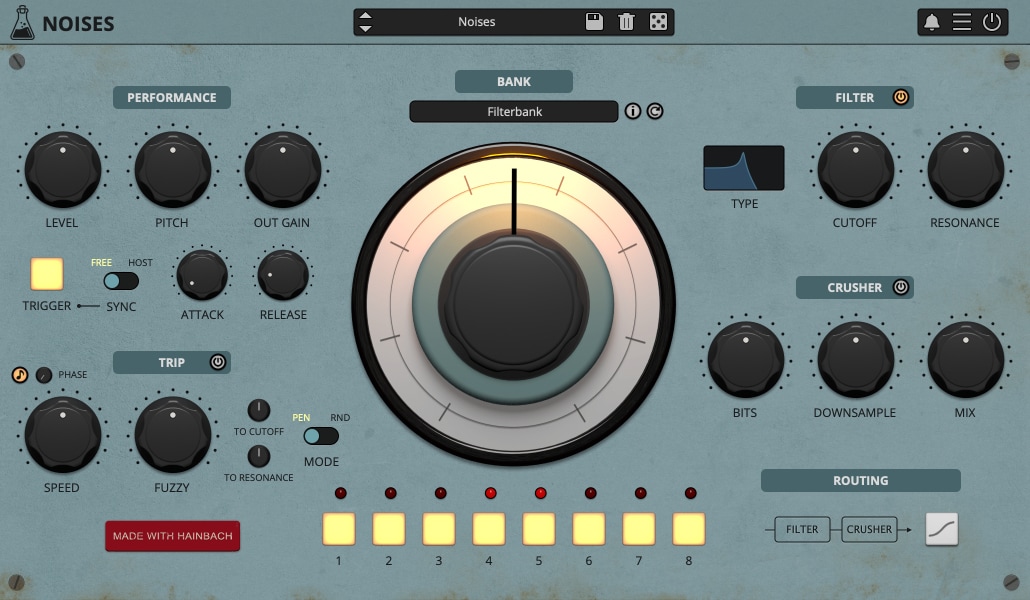
Creative Texture Instrument.
$69.00
Earn 186
Bundle: Hainbach Bundle







Trigger
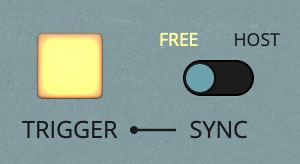
If Sync is set to free you can use the Trigger button to turn Noises on and off, or hit any midi note. You can record and automate these controls.
If Sync is set to host, it will start and stop with your DAW playback.
Origin
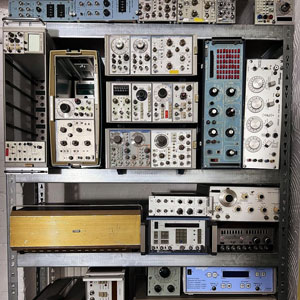
Noises came from the need to have a solid noise source always at hand for testing plugins. But as we got into talking with Hainbach, with whom we had just made Gong Amp, he grinned and turned on his wall of rare electronic laboratory equipment. His glowing noise generators hidden behind countless cables started howling, screaming, and singing. Listening to the absurd tones of this obsolete yet treasured equipment, we knew we had to make this more than a simple noise source: Noises became an instrument.
Operation
Noises is all about playful and inspiring interaction for sonic exploration, designed to give you more sound with fewer clicks. At the heart of Noises is a big knob. It acts as a precision crossfader between the eight sounds of each bank, carefully selected and designed by Hainbach. Inspired by the motor controls of test equipment and vintage multiplexers, we added a sequencer to control the knob. You mute sounds, play sequences, randomize them and make it jitter like one coffee too many with the fuzzy control
Analogue Synths
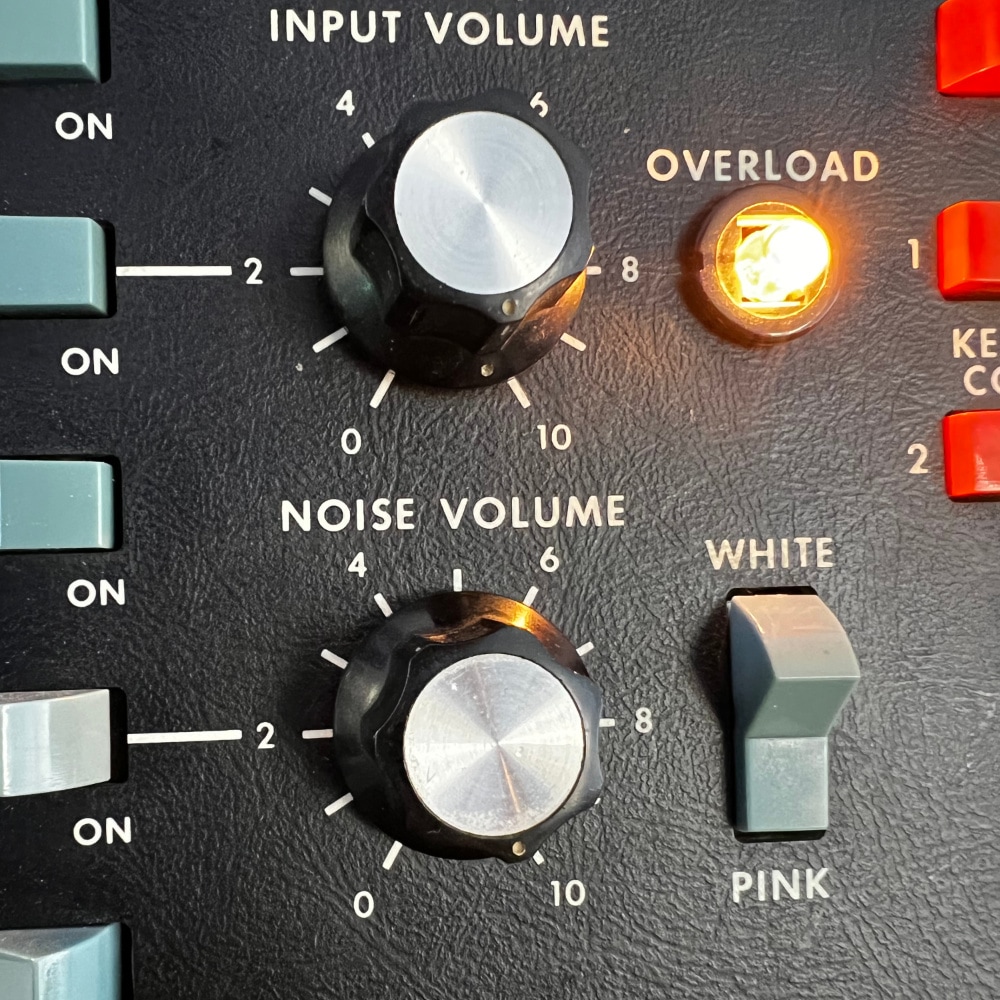
Going into this we had no idea how different vintage synth noise generators could be. A vintage Minimoog, the Roland SH-2, Juno60, Polivoks, and the Crumar DS-2 -they all rumble differently.

Autobahn
“I grew up near a Schnellstraße, which is a mini-Autobahn with no speed limit. Even deep in the deep Black Forest, you could hear its wash. This is a sonic trip to that area, starting in quiet rural and going up close to the cars.”
B00GA
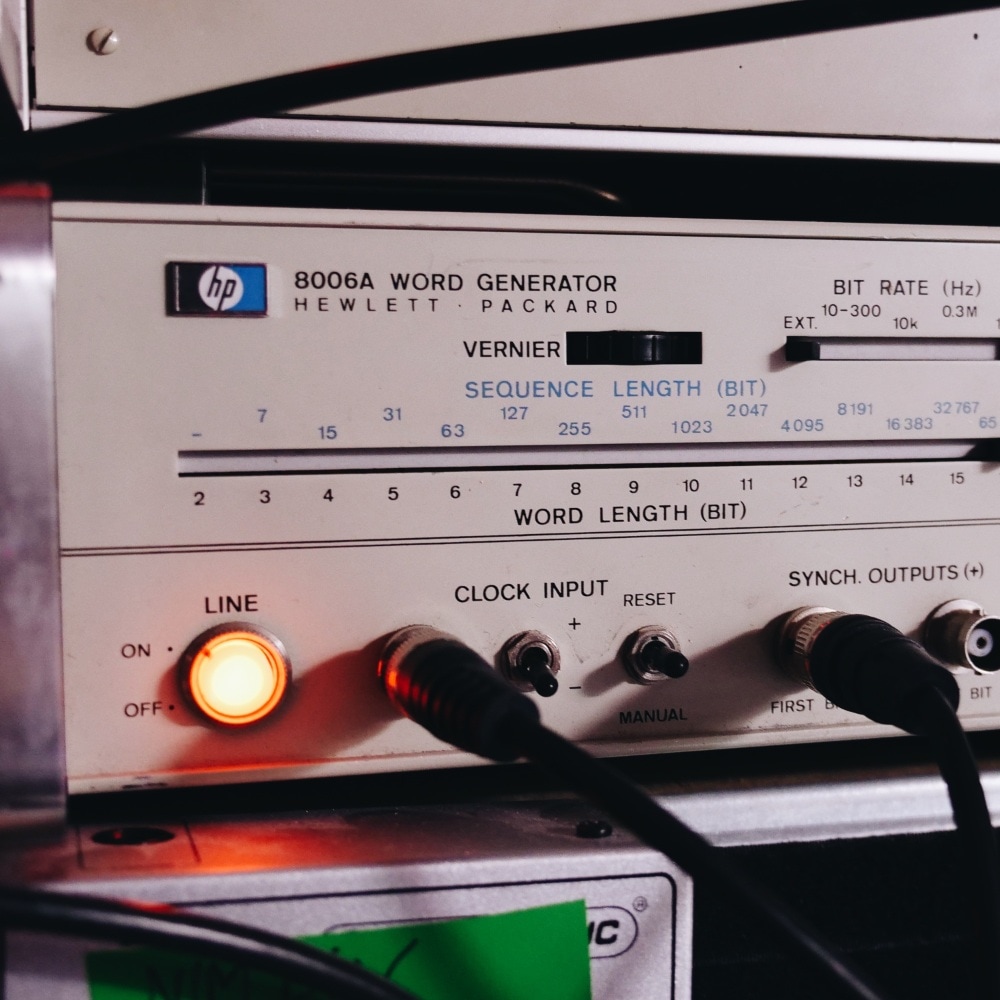
The Hewlett-Packard 8006a word generator, a tool for generating basically morse code, found fame as a rhythm generator in one of Hainbach’s videos. He managed to scrounge up a second one and wired them in stereo for this bank. Listen to its random yet strangely funky inter-lapping rhythms in the beginning until it all disappears in digital noise.
Bandpass Pulses
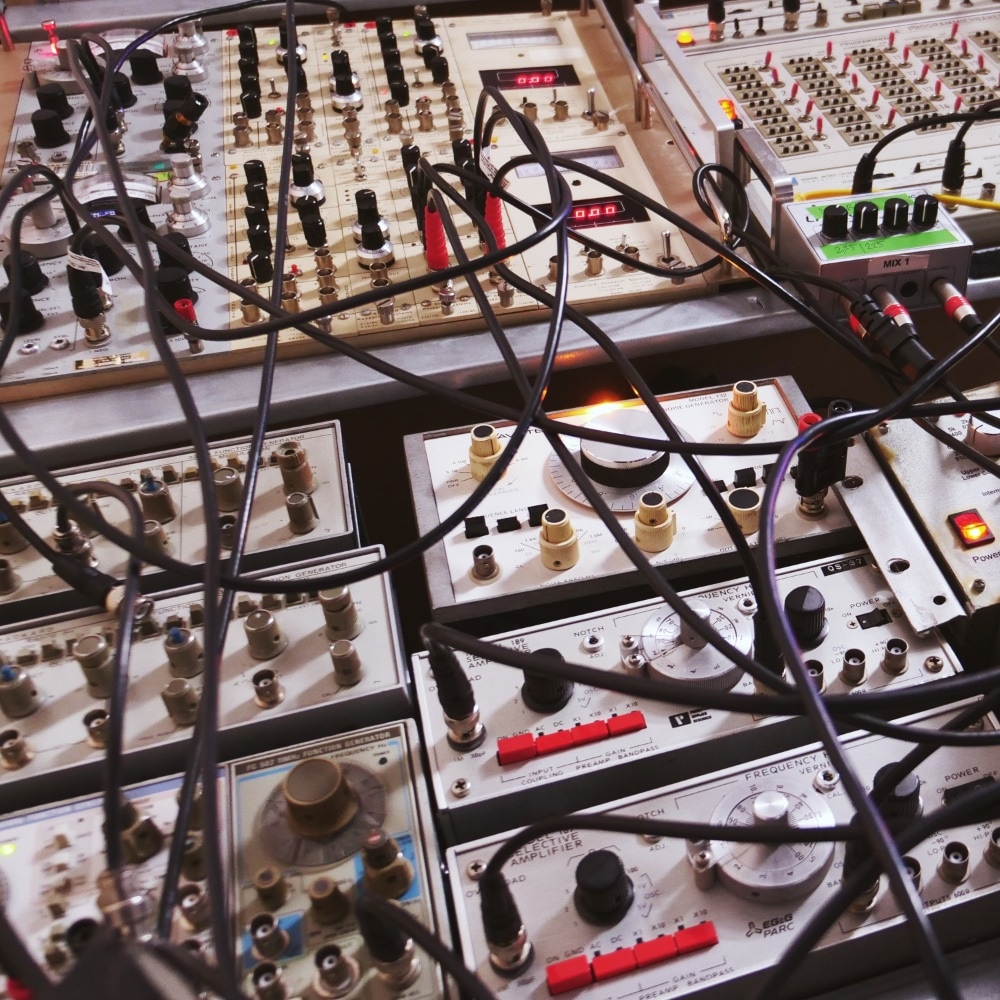
Hainbach’s wall of test equipment glows with faint after traces of radiation in this bank. Dive into the depth of sound with military-grade lock-in amplifiers and naval research filters driven into overload.
Cosmic Chords
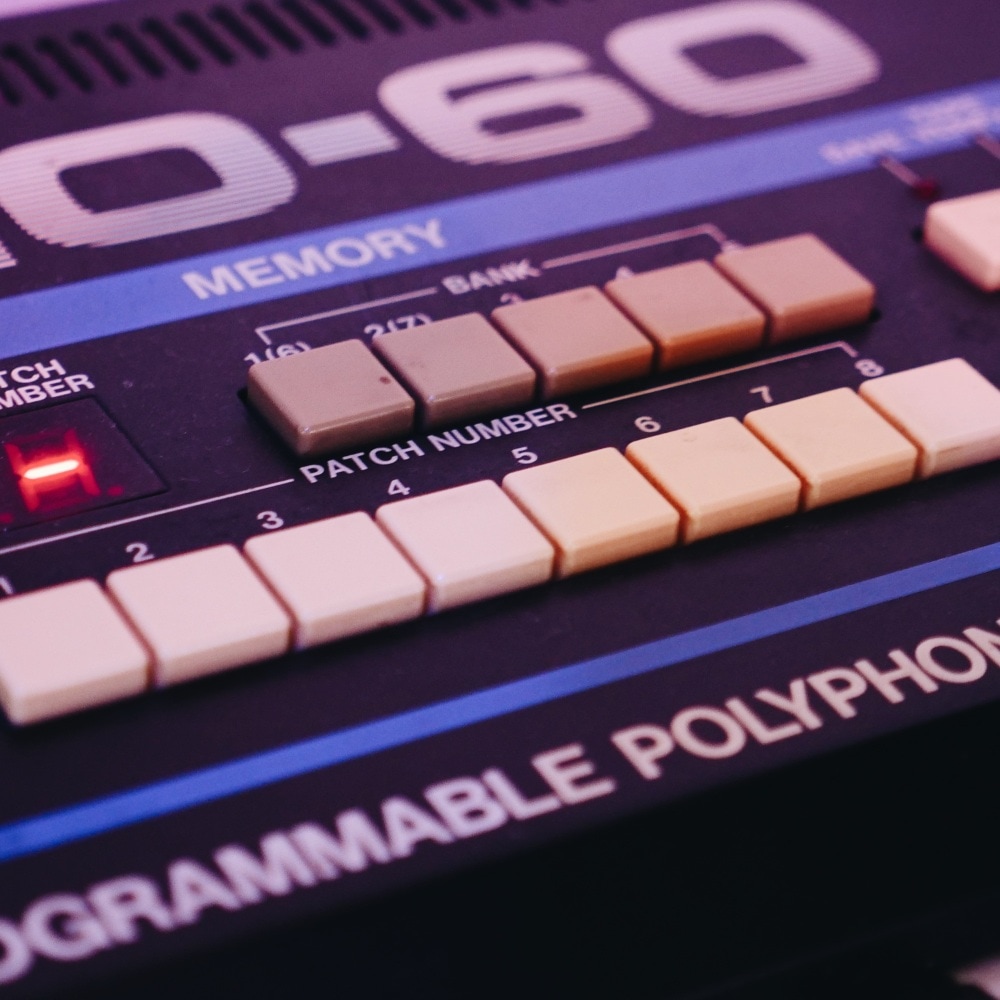
Cosmic Chords is one of three related tonal banks, allowing you to play a C major scale with the dial. The chord bank is based on the Juno 60, processed with scientific test equipment. The unusual treatment creates blossoming “unsynthesizerisch” chords, C, d, e, F, G, a, b, Cma7. Use the pitch wheel to tune to different scales.
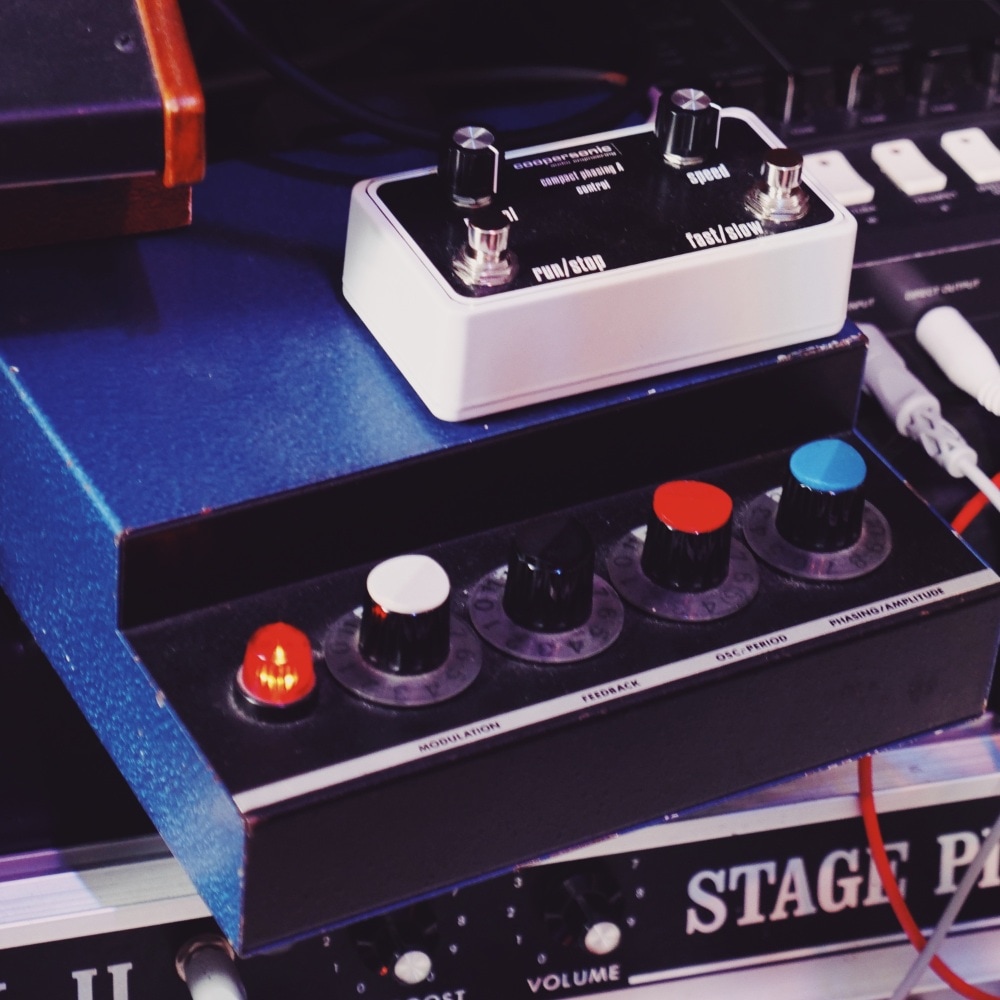
Cosmic Root
“I have always loved the music of Krautrock and Kosmische, these three banks pay tribute to that. I combine test tone generators, ring modulators, vintage synths with of course Phasers. Root is the bass note, scale is C major.”
Cosmic Waves
The third bank in the Cosmic set is dedicated to top-line harmonics. It’s meant as sugar on top, sparkles, and shimmer effects. Pitching it down reveals beautiful new sounds, as the various treatments bring in strange overtones.
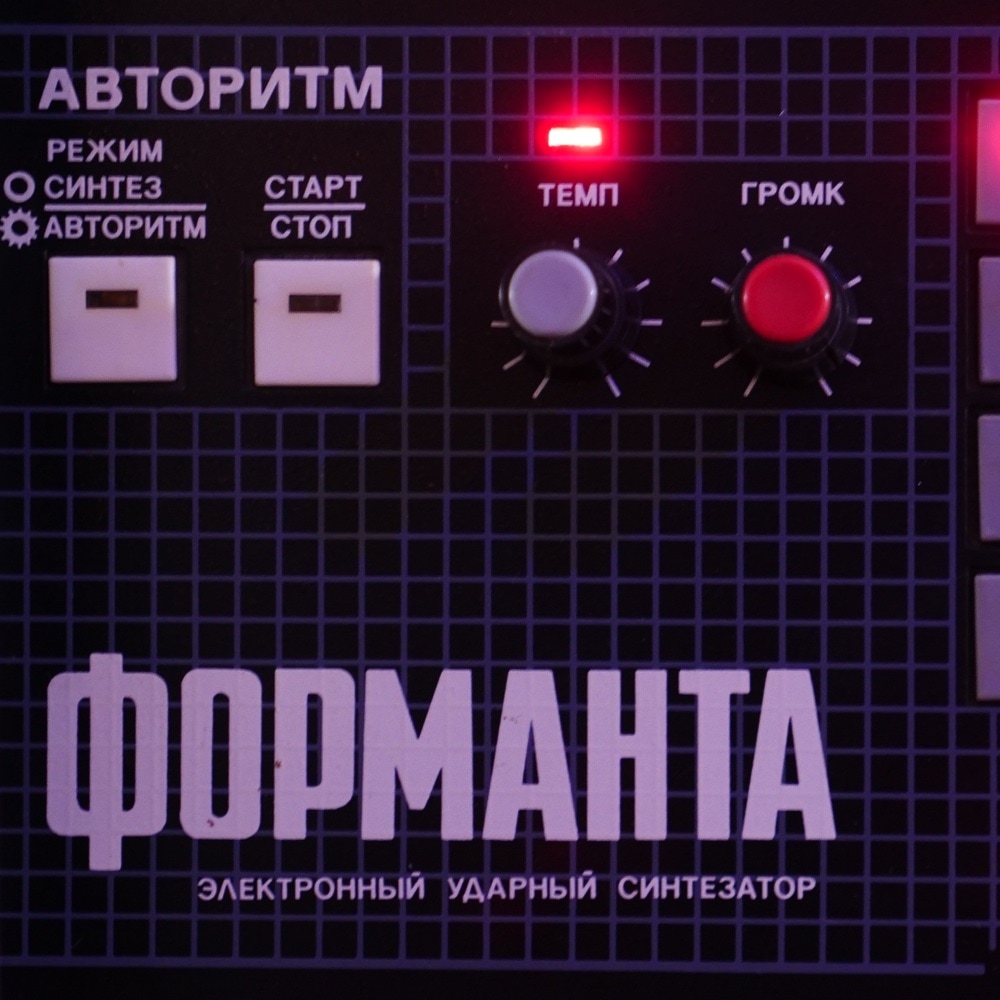
Drum Drones
“One of my favorite techniques with drum machines is to run them at audio-rate: play them so fast their individual pulses become constant tones. For this bank, I used the rare Formanta UDS from the Soviet Union.”
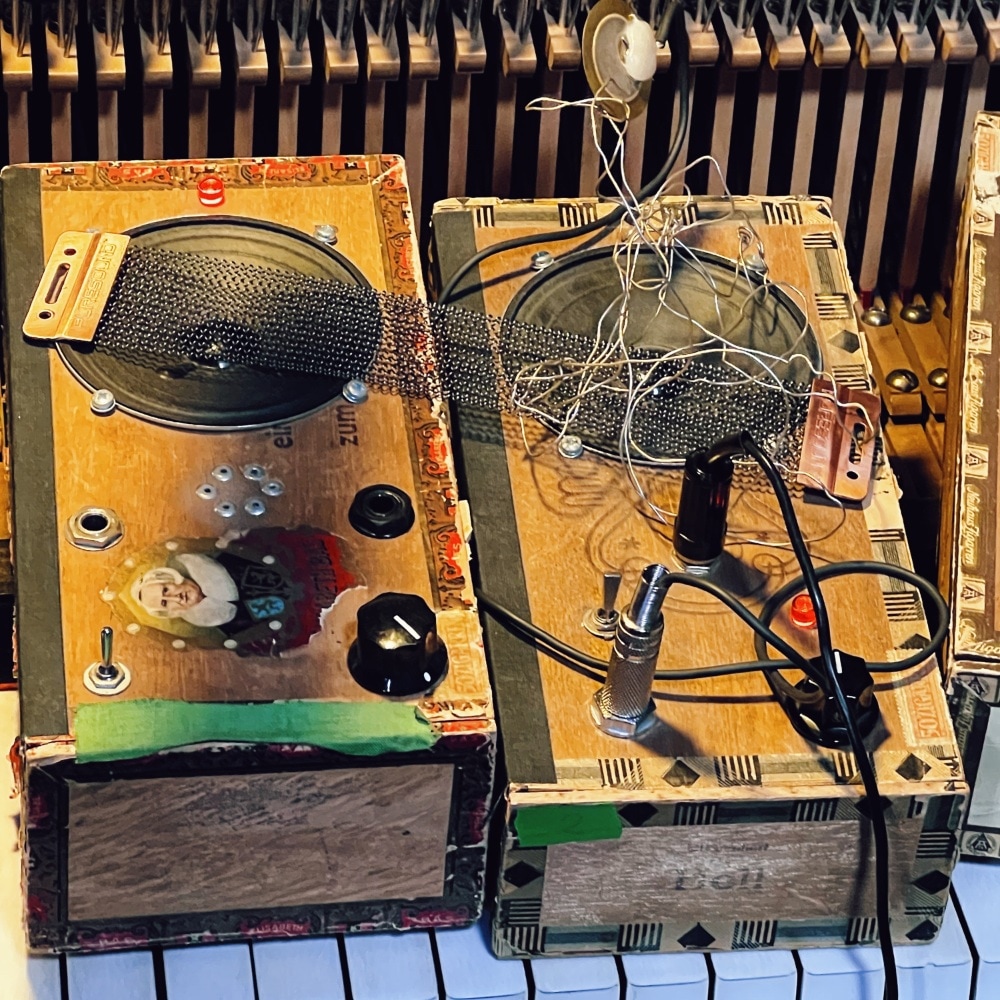
Electro-Acoustics
“For more than ten years, the Macumbista Sound Box has been a staple of my scoring work. I once had these little feedback cigar cases play with an entire orchestra. Simple yet rich instruments, they provide a perfect blend of acoustic sound and electric buzz. I captured both the line and mic signals for this bank”
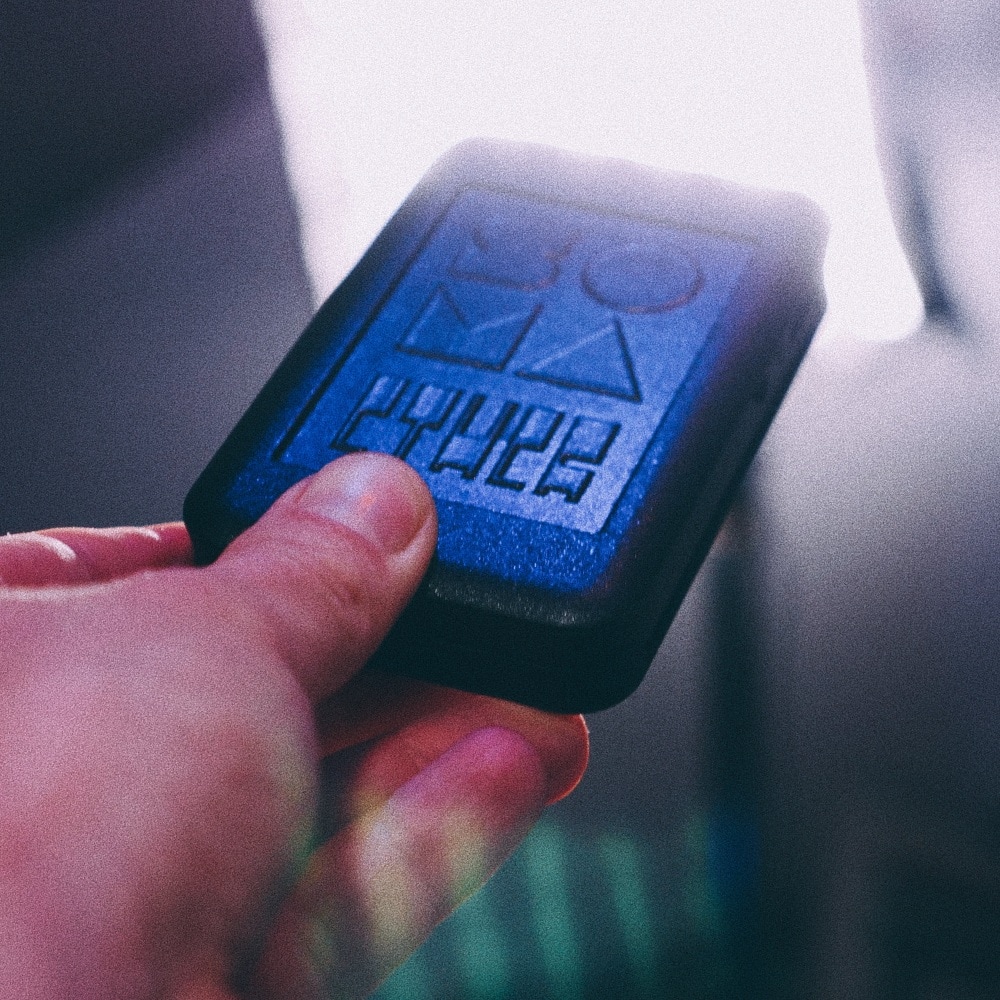
EMF
“The Electro-magnetic field first reveals itself as an error, a noise in your Strat’s guitar pickups, a nervous click in the audio interface. This bank revels in its beauty. I used the Soma Ether to capture the sound of electricity.”
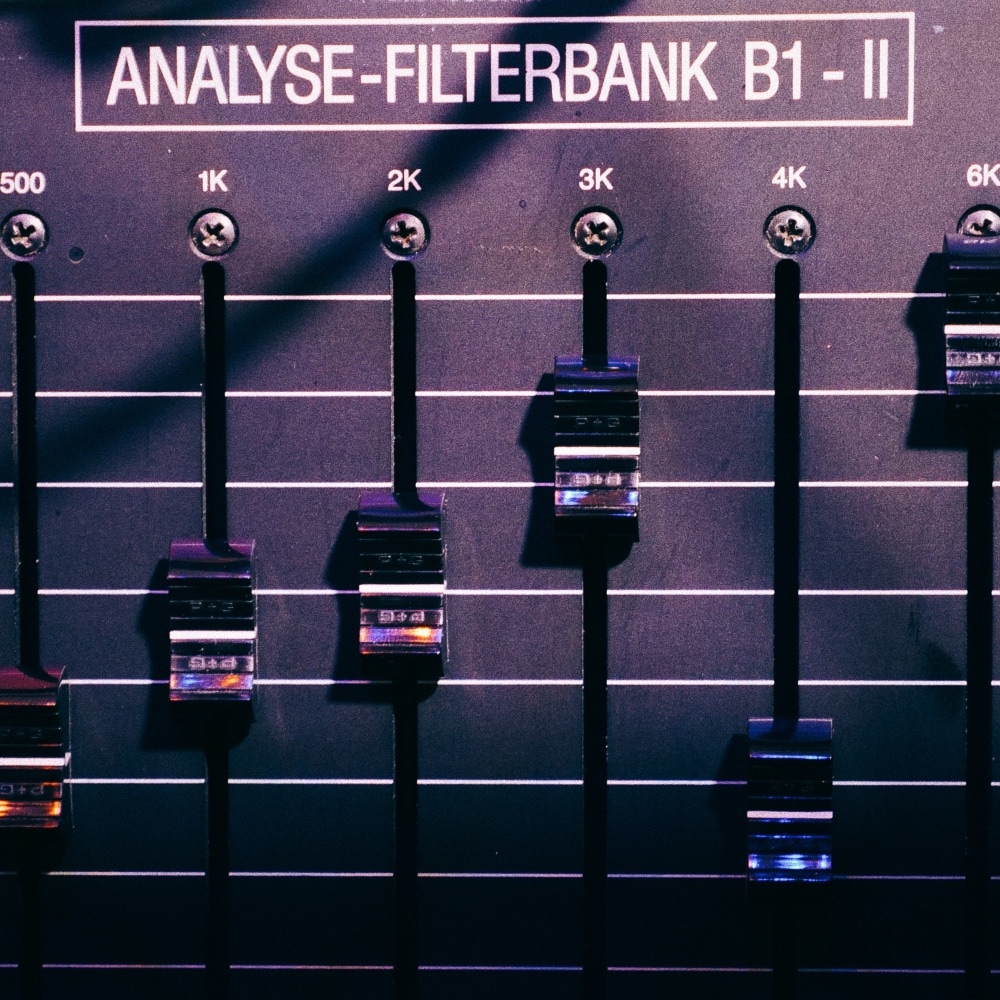
Filterbank
One of the most coveted German-made fixed Filterbanks, the EMS B-1-II, does its magic on pure noise. Hainbach applied extra feedback to sharpen the resonance of the filters, so it makes the hairs at the back of your neck stand up if you tune it right.
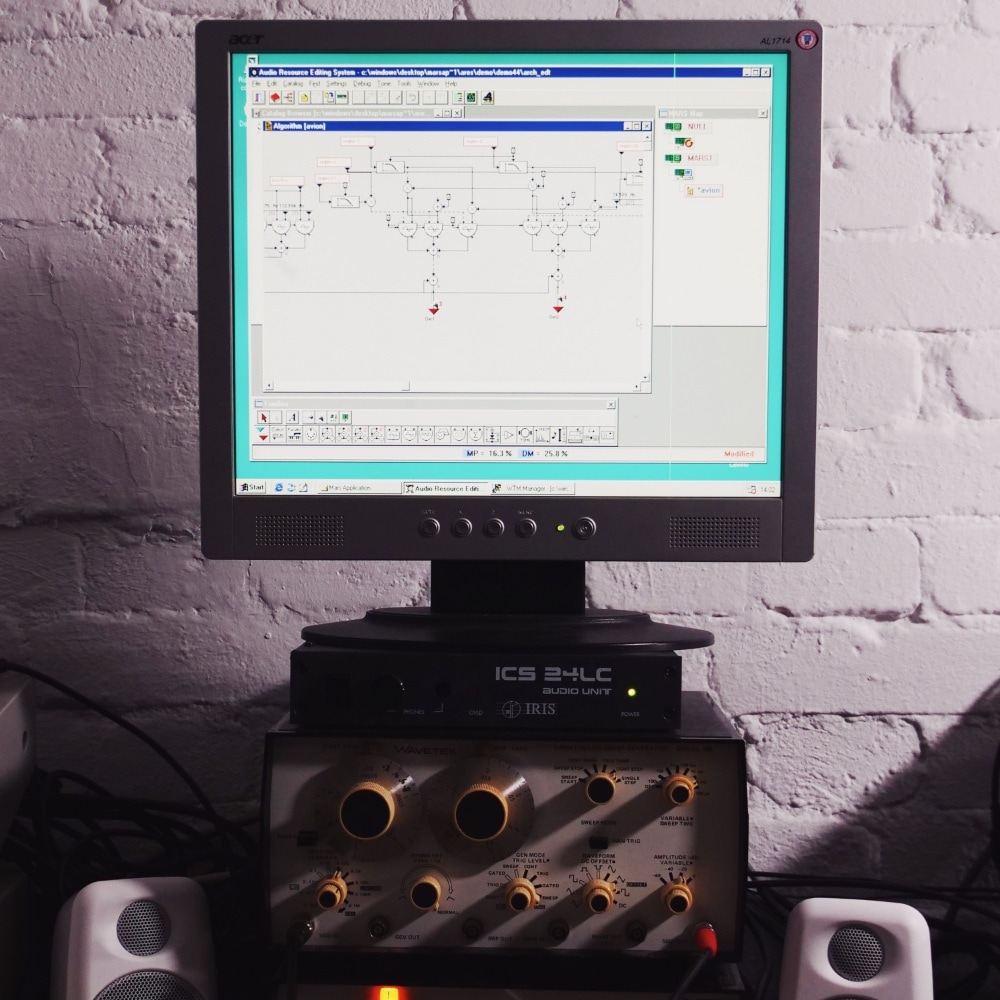
Flight to MARS
Talk about unobtanium: in the cellars of Hainbach’s studio rests Bontempi’s attempt at a MAX-like DSP workstation, M.A.R.S. A powerful yet obscure instrument that is known only to very few people. This particular one was pulled from the wreckage of the abandoned Bontempi factory and restored by the Museo del synth Marchigiano. Flight to MARS is a modified and specialized version of a patch that was made for the simulation of airplane noises in a flight simulator.
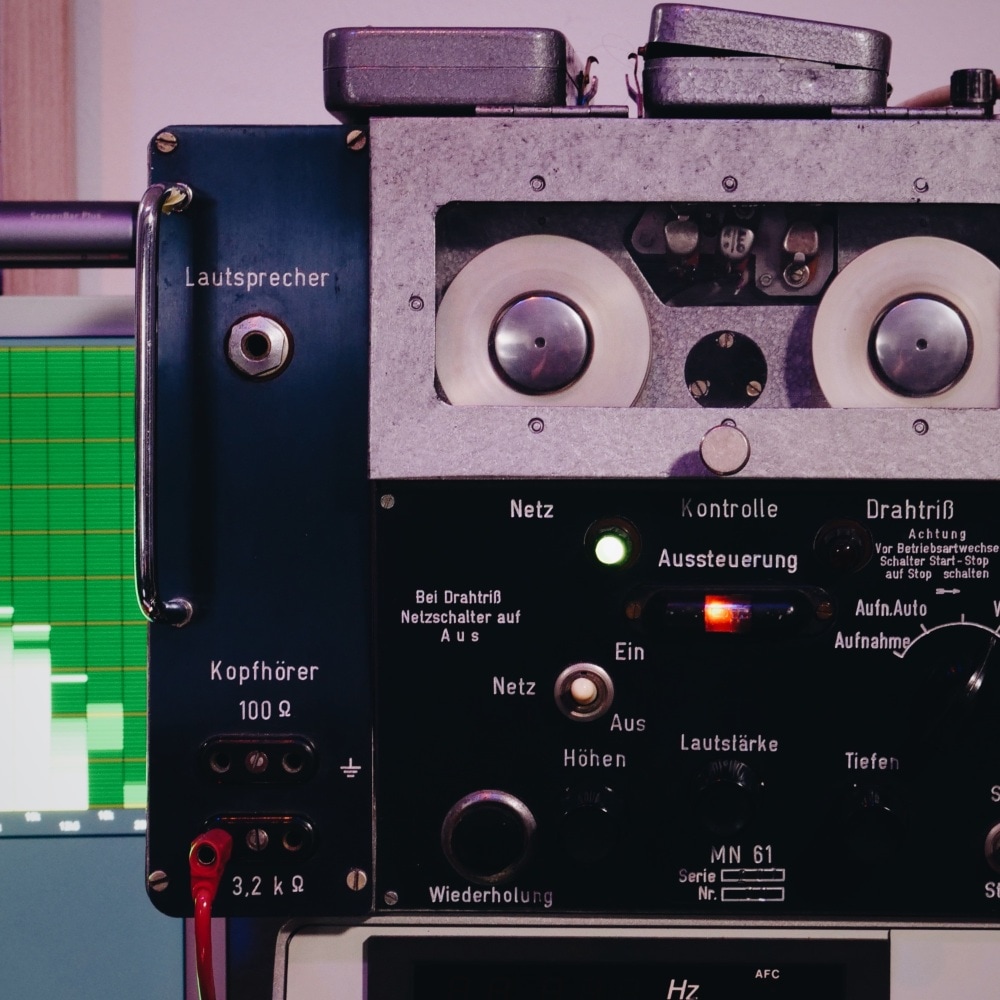
Military Wires
When we made Wires with Hainbach, we knew we had tons upon tons of military communications from East Germany still at home. For this bank, he cleaned the dirty spools and found “Kommando Strandkorb” – “Order Beach Chair”. A military ops from the cold war lost to time.
Noise-Denoise
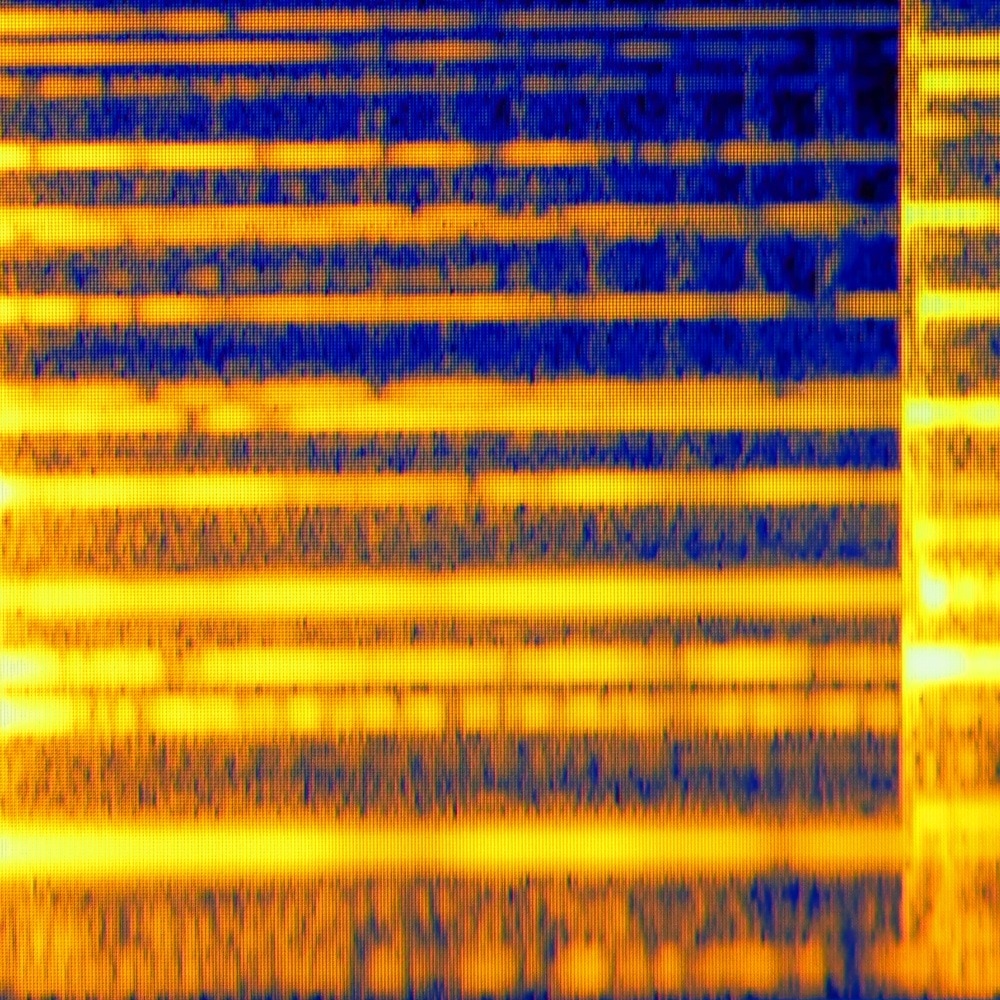
This bank started out as classic white/brown/pink digital noise, but our dear German composer got bored, so employed voice denoising programs to it. You hear the algorithm hunting for humans where there are none. A strangely haunting bank, full of spectral feedback that seems to whisper to you.
Oddular
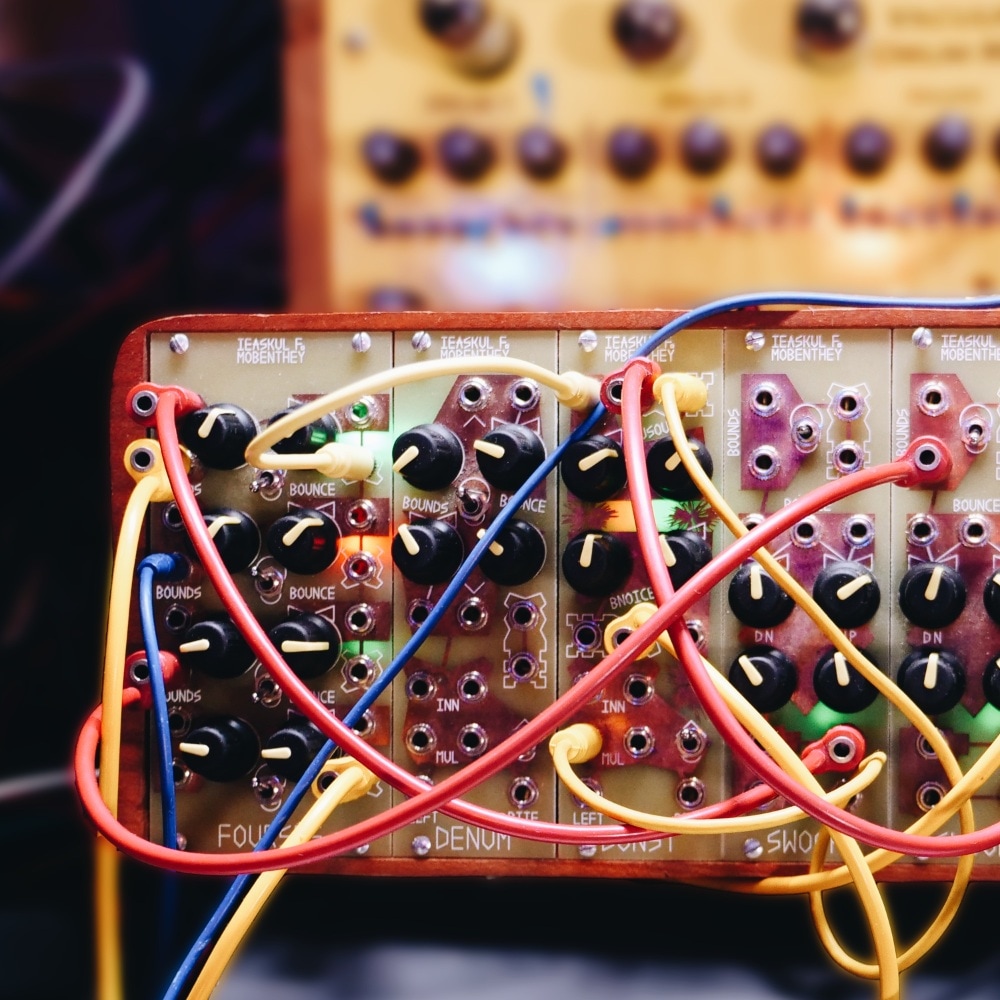
Wild bleeps from one of the strangest and most out there pieces of Eurorack modular, the Mobenthy series by Peter Blasser. A Gijs Gieskes Fan Oscillator brings sub-bass depth to this bank.
Pan Step
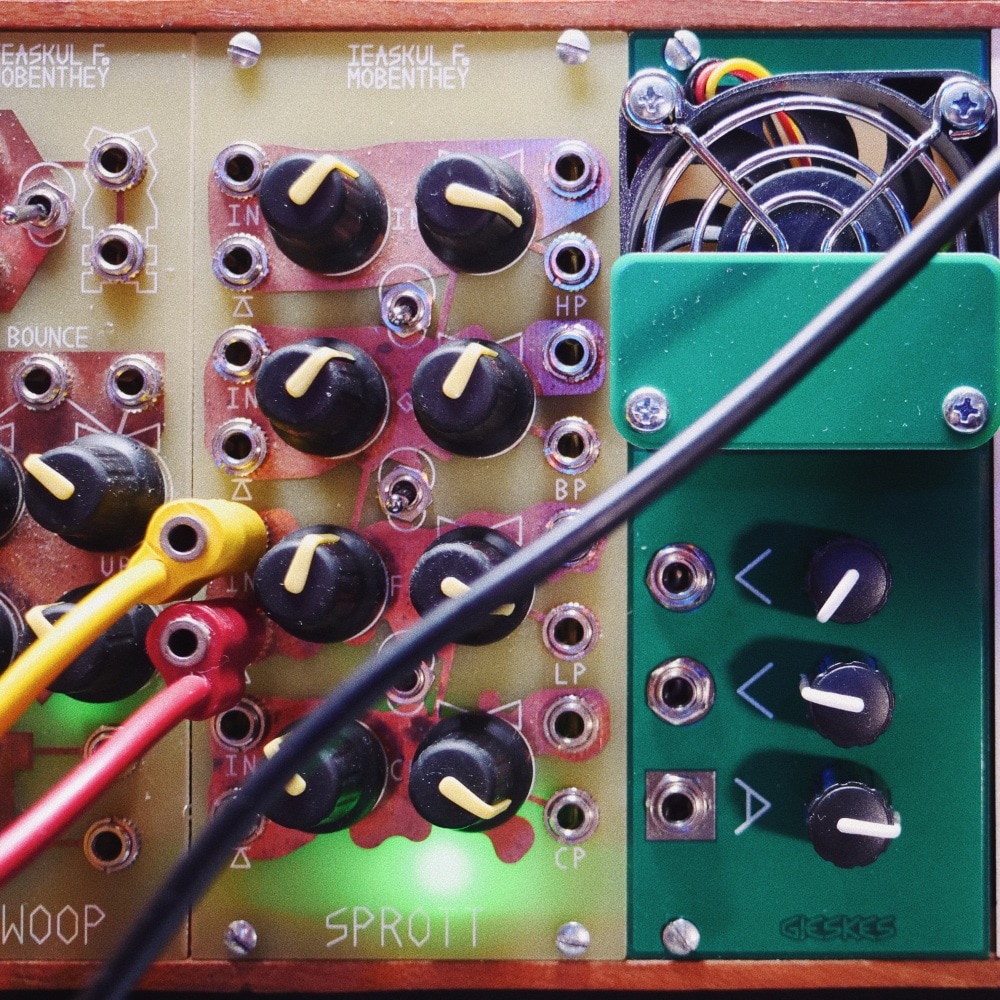
Again using the Mobenthy system by Peter Blasser (thanks to Patch Point for the loan), Hainbach thought of the music of his all-time favorites Pan Sonic when making these weirdly funky glitches.
Phaserland
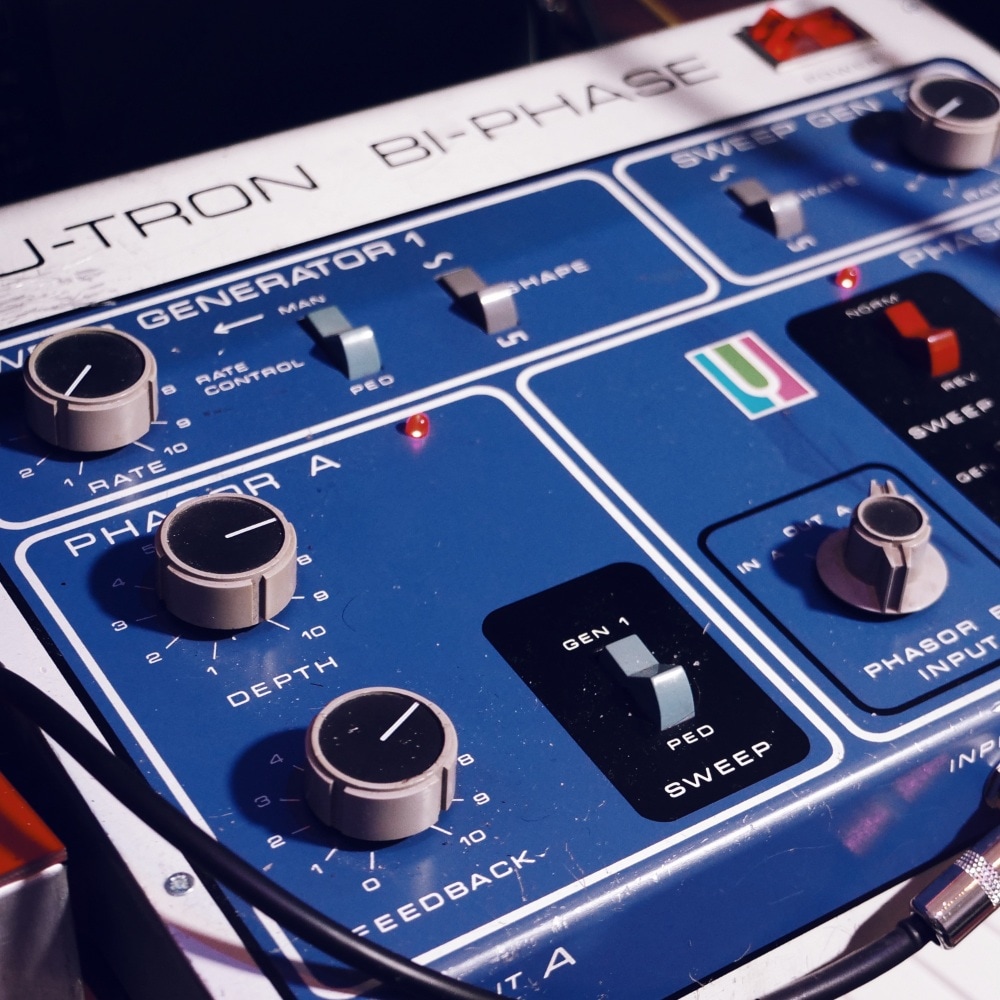
A plethora of rare Phasers, from the rare original Kraut Rock Phaser to the stereo whirls of a dub standard turns test equipment noise into deep washes. But since there is a note layered into it, this is a tonal bank in the C major scale.
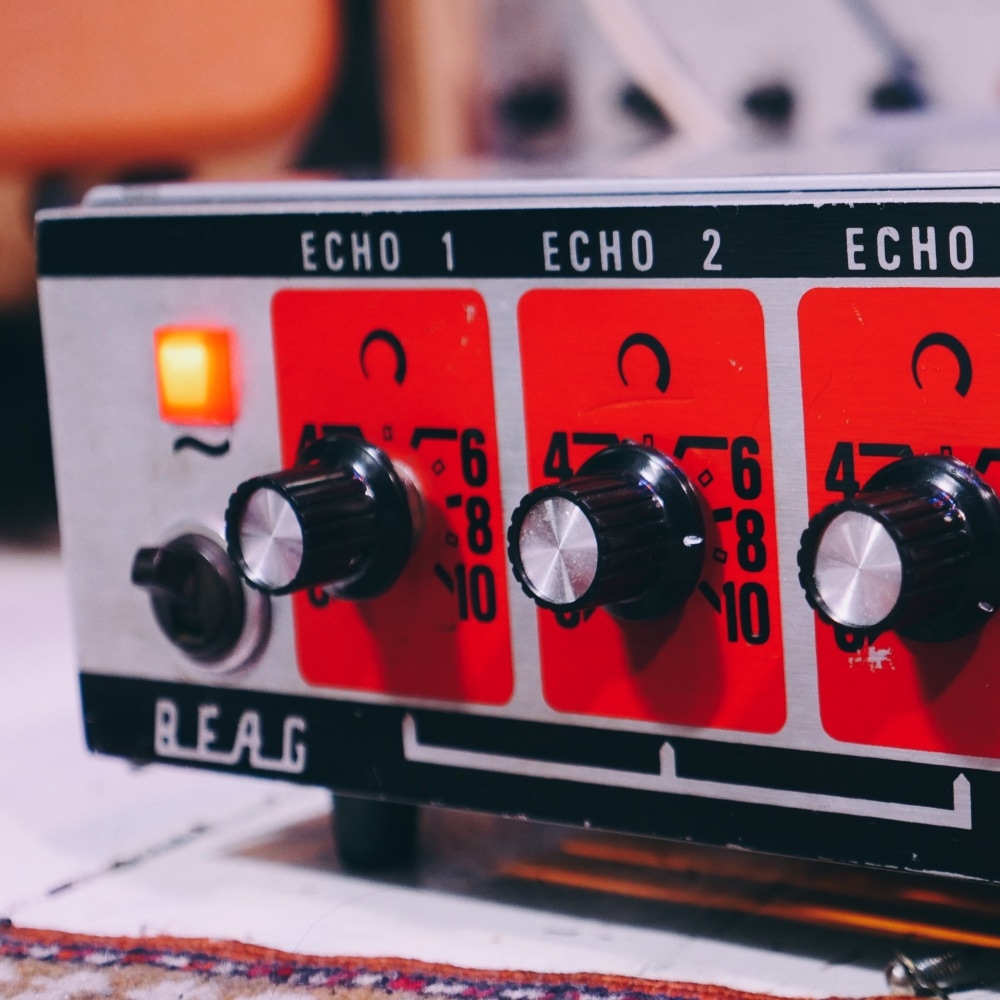
Soviet Tape
“I found this strange Soviet vacuum tube tape machine from the 1970s. The erase head was broken, so the short echo loop quickly turned into a mess. For the bank, I played the Moog Sonic Six into it, as that cut halfway through. C-minor scale.”
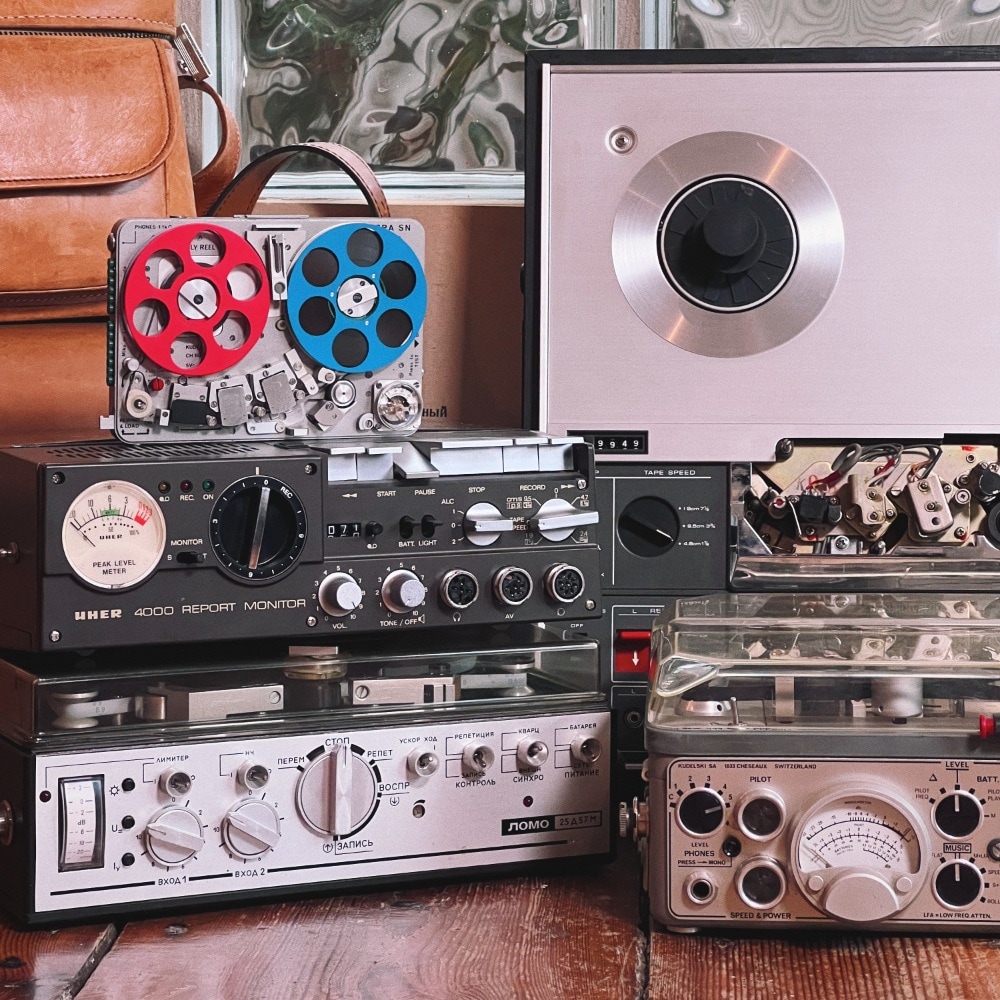
Tape Hiss
Tape hiss is one of the most noticed artifacts of recording. Now that it’s gone in digital recordings, it is often missed, so Hainbach recorded his most dear machines for this. You will find the sounds of the Telefunken M15, Nagra 4-S, Nagra SNN, Uher Report Monitor 4000, Sony 367, and a rare Lomo Rytym Reporter. For extra noise, he opened up the mic preamps on some of these beautiful recorders.
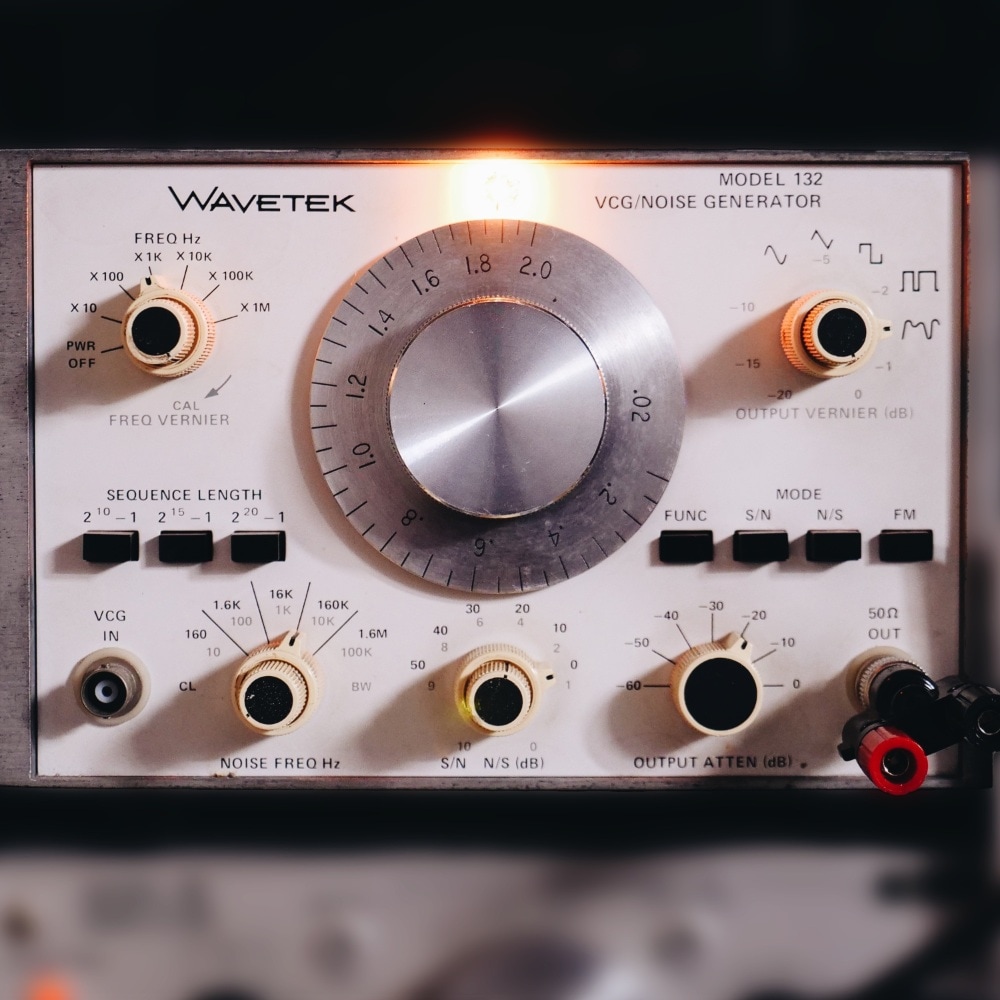
Test Voltages
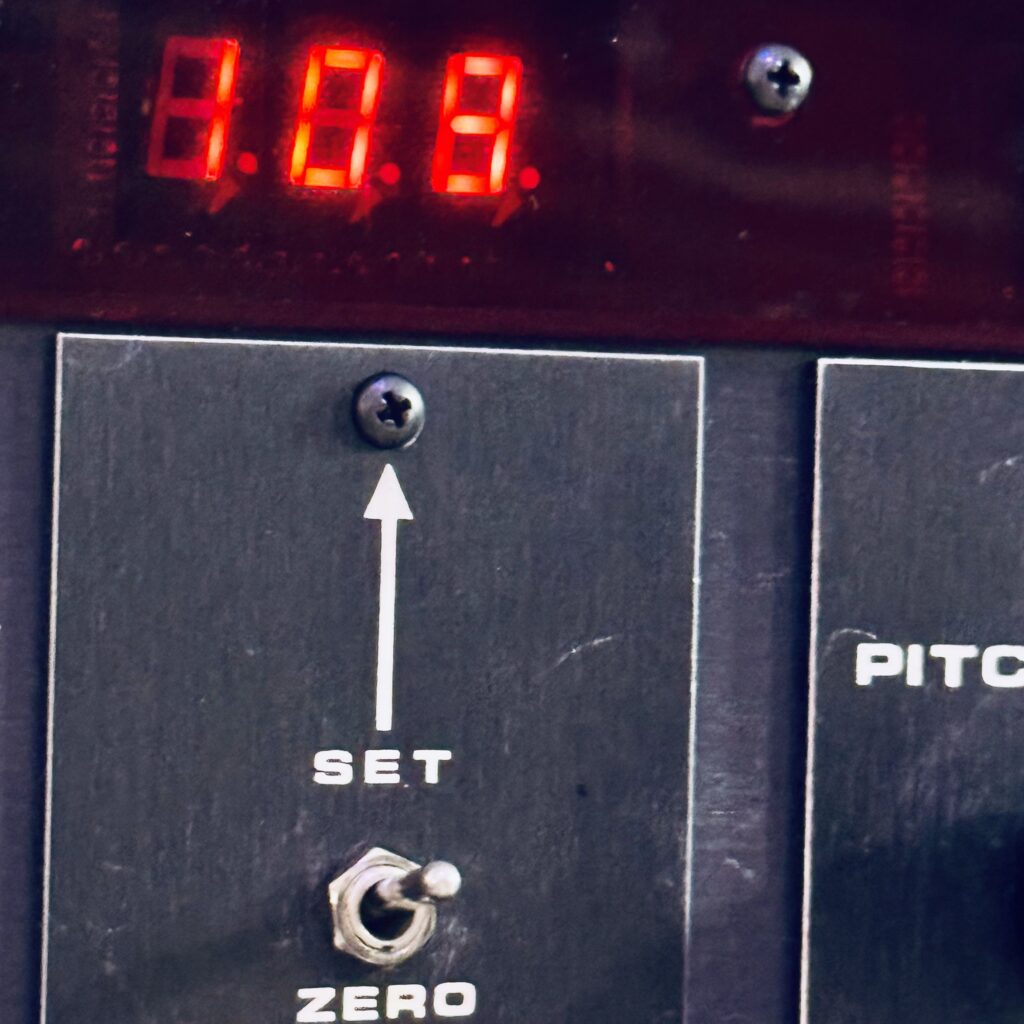
Wavetek was one of the earliest companies to create test equipment oscillators in the United States. Famously used by the Silver Apples, their instruments often were more compact than the giant HP generators. The Model 132 is an endless source of noise and offers a very complex modulation between noise and carrier. Hainbach ran it through a giant Brüel & Kjaer 2107 vacuum tube band bass filter for added harmonics and shaping.
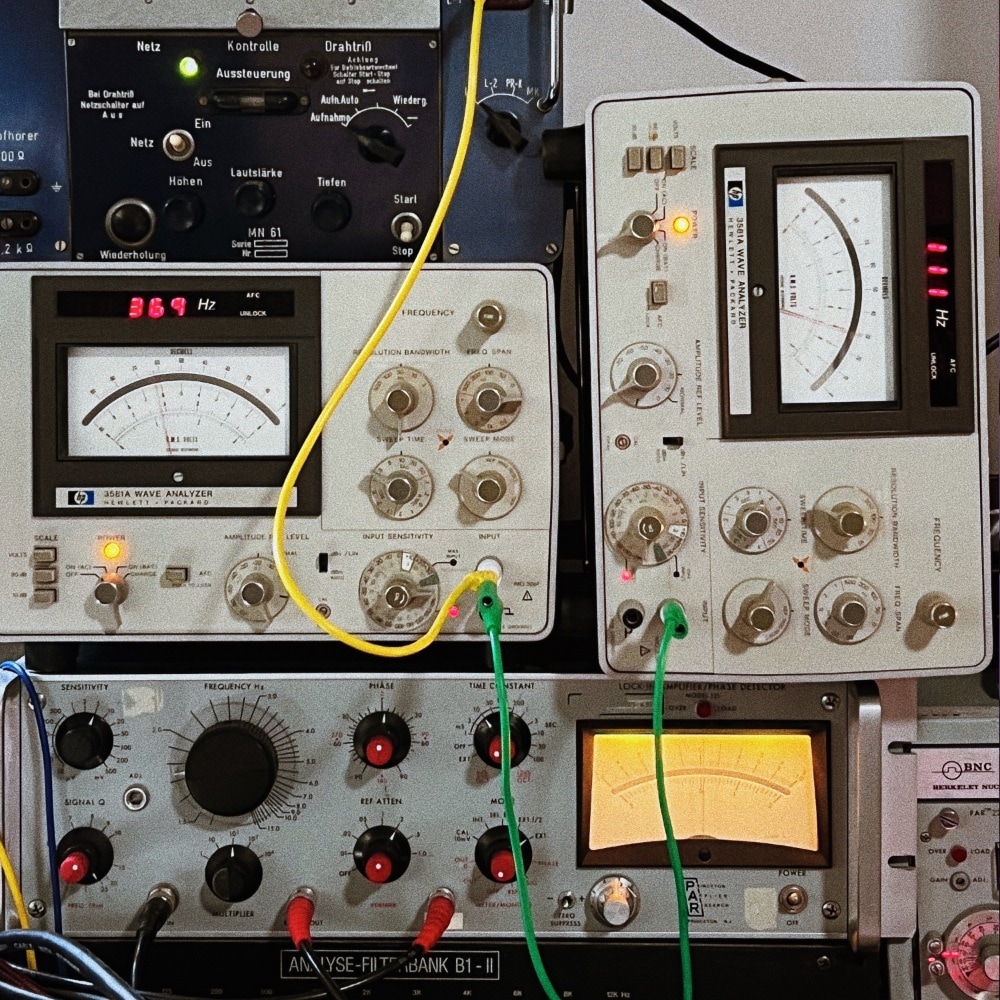
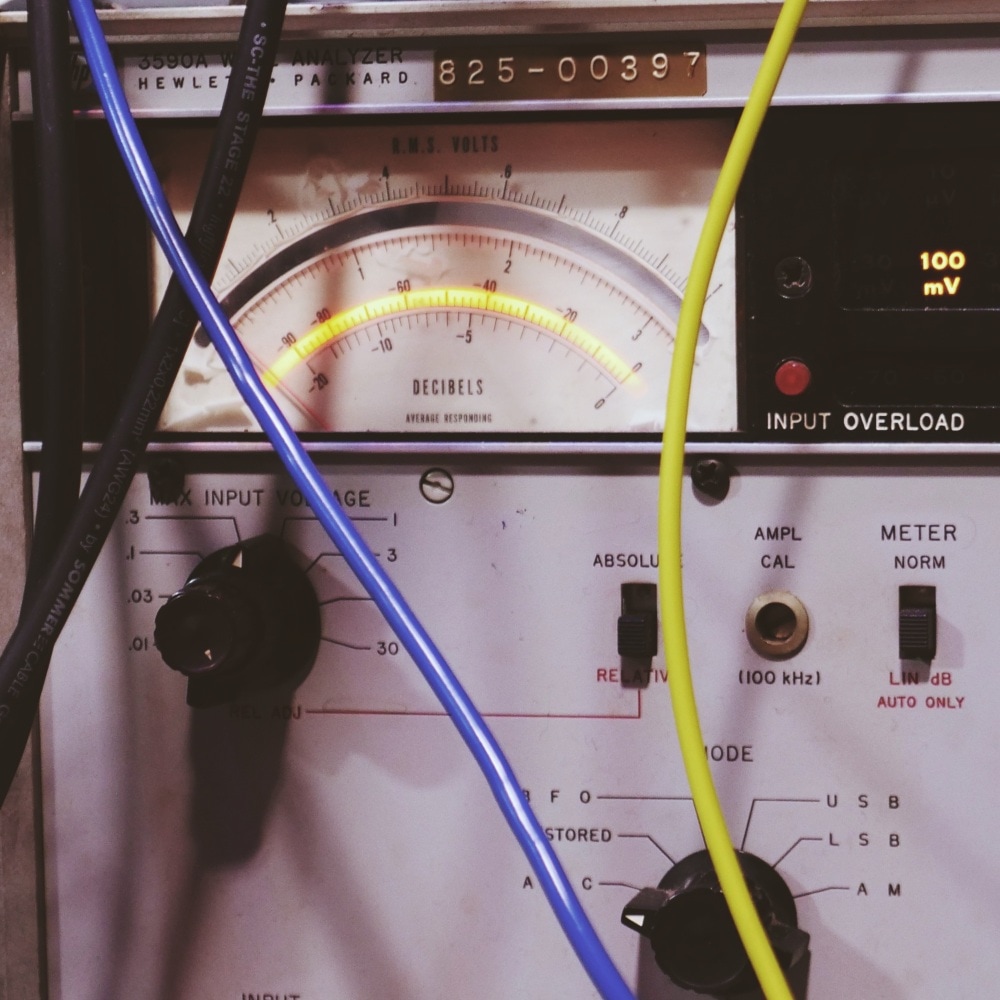
Wave Analyzer
“I love filters. In my studio, I used four vintage Hewlett-Packard wave analyzers wired in parallel to process everything. Their subtle movements and crazy gain reserves make songs out of the smallest residual noise.”
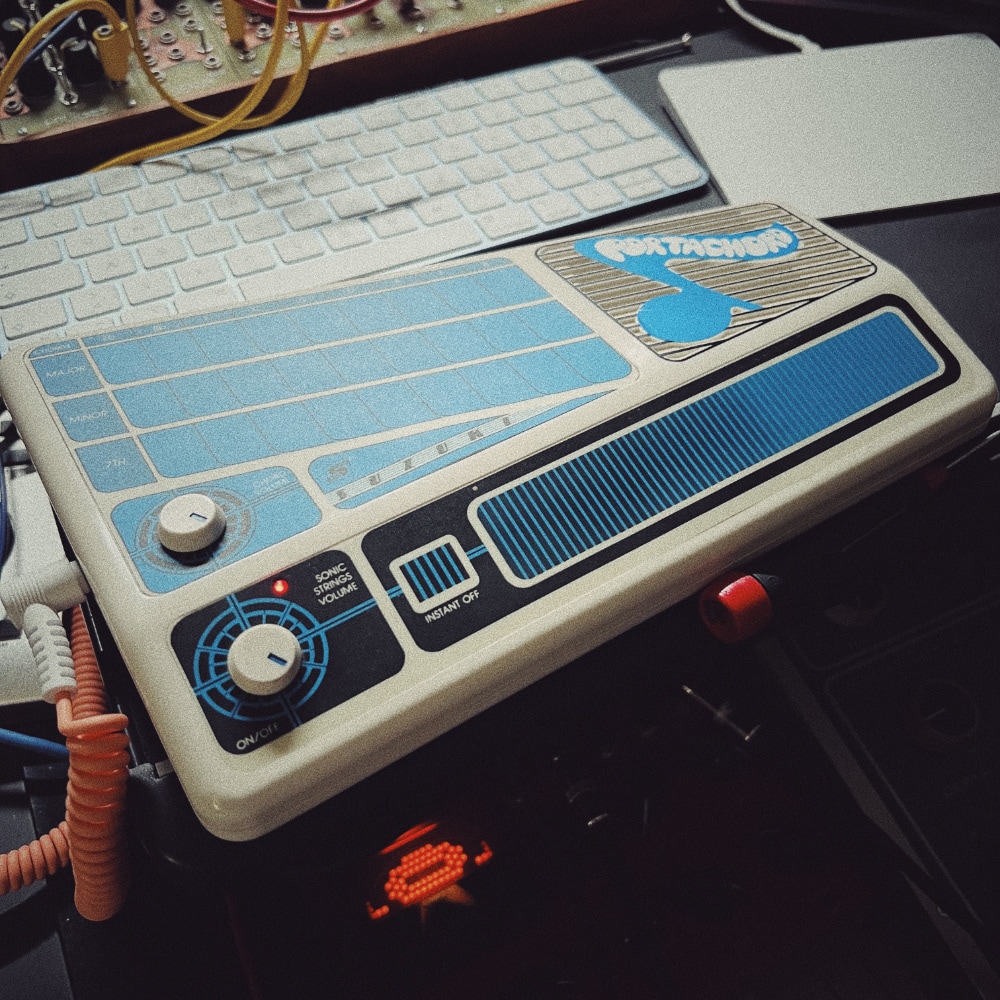
Porta Majora
“I created this bank using the rare granddaddy of the Omnichord, the cute Portacord. Made only in small Numbers by Suzuki in the 1980s, this was not much of a success and was replaced by the more featured Omnichord OM-27.”
Chords are in the same order as they are on the original instrument.
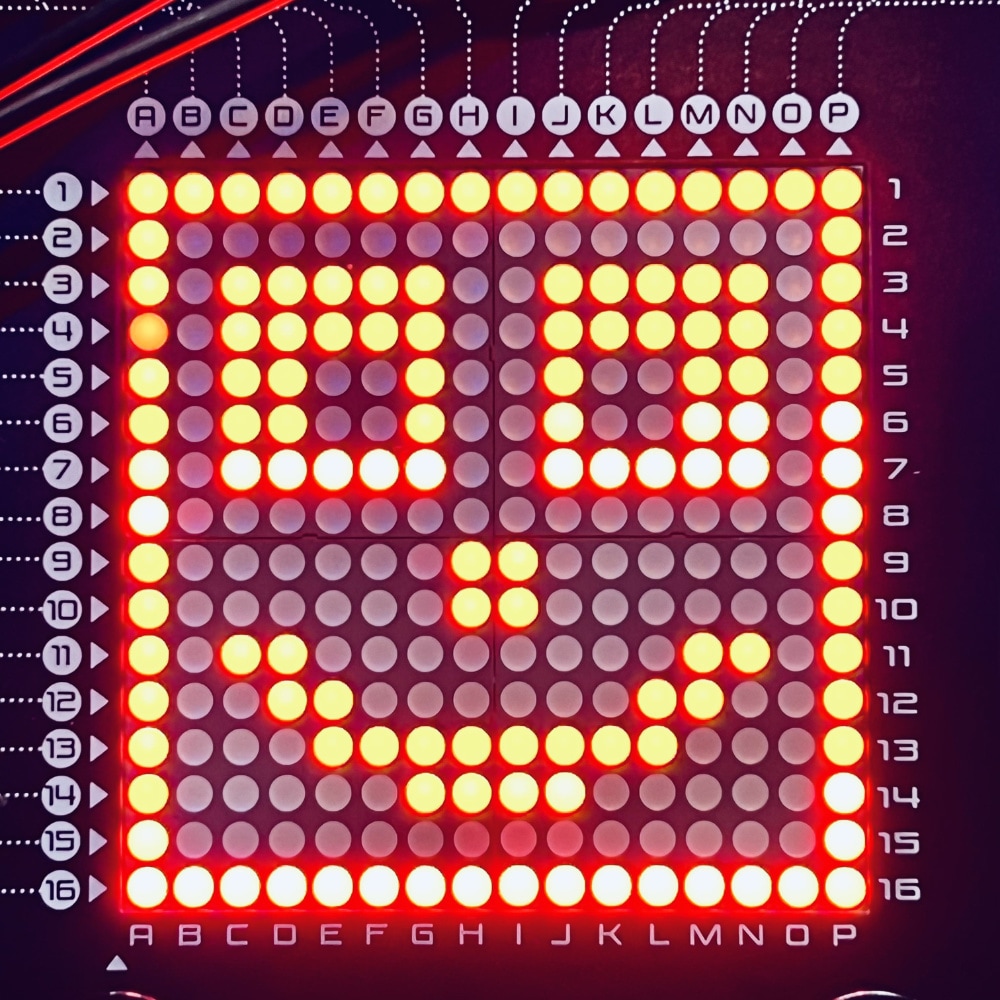
Analogue Feedback
The raw sound of tape echoes, measurement filters, and vintage phasers feedbacking into themselves. Using a matrix mixer I set up the analog part of my FX chain to produce chaotic modulations. There are tons of transformers, tape, and vacuum tubes overloading here.
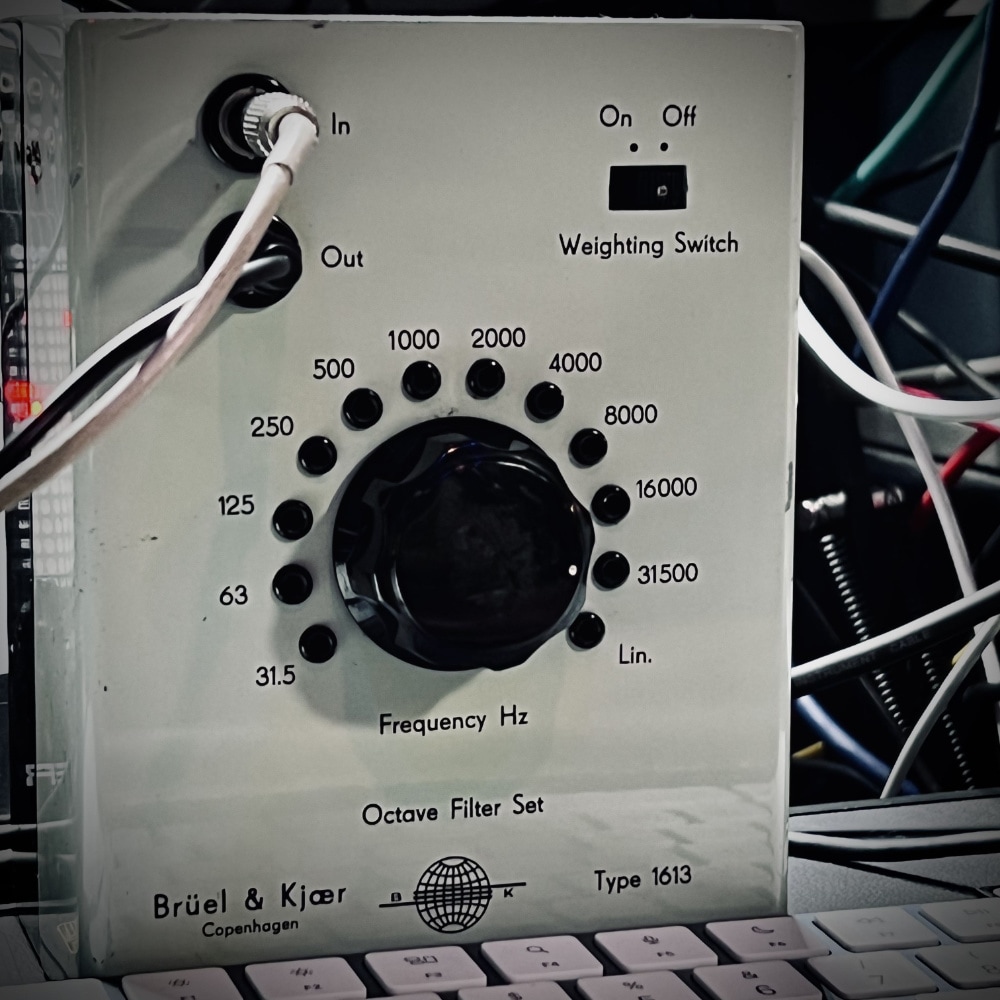
Octave BBD
This bank makes use of a wonderful little bandpass filter that comes with Danish sound level meters. Or rather came, the days of the baby-sized measurement mics is over. I ran white noise into its octaves, and that into a bucket-brigade reverb. That added a texture I find wonderful for scoring.
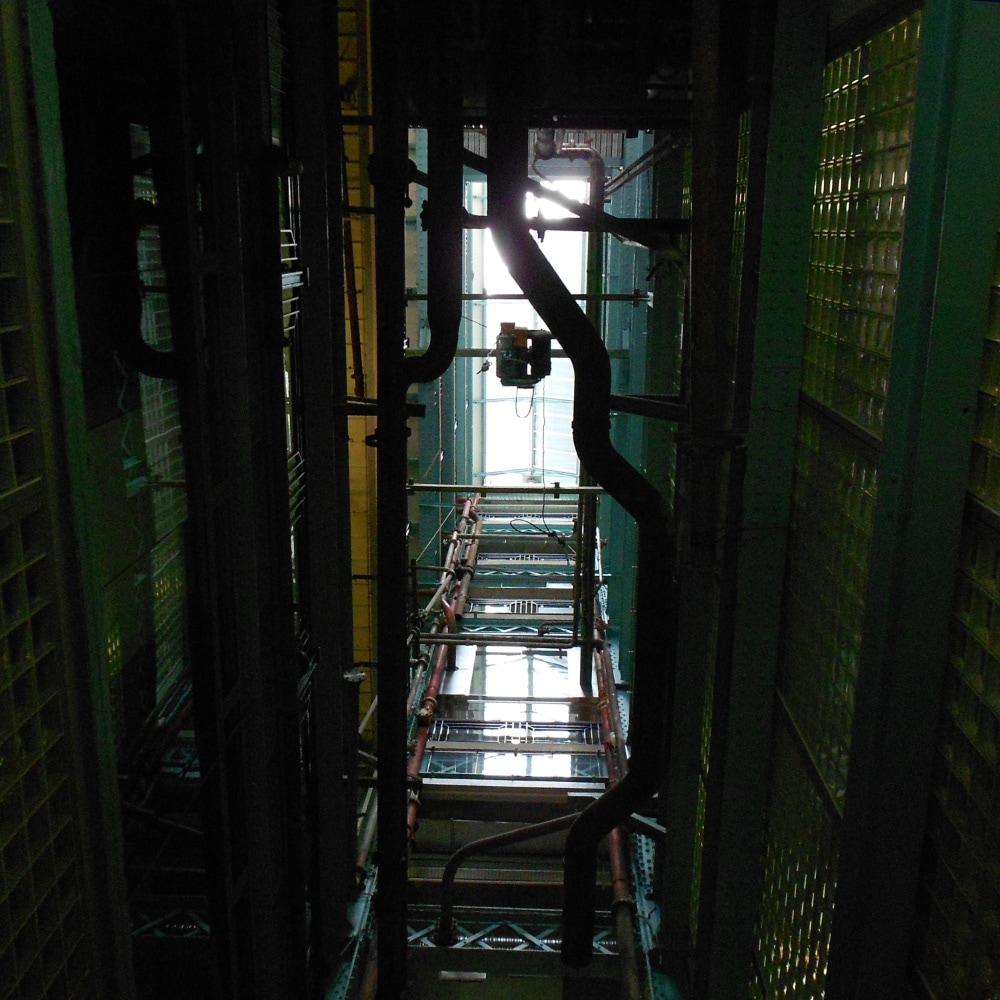
Soundscapes Vol.1
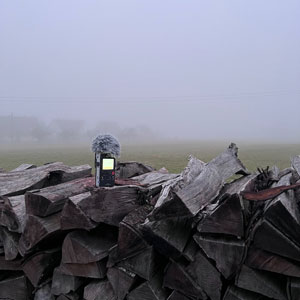
Originally made for one of the first AudioThing’s Kontakt libraries in 2011, Soundscapes Vol.1 was widely used in the soundtrack and sound design of the award-winning indie game The Swapper. The samples were recorded across the world (Paris, Dublin, London, and Naples) using studio or portable equipment and then processed to create deep and atmospheric textures.

Soundscapes Vol.2
Made a couple of years after Soundscapes Vol.1, the samples in Vol.2 were also recorded across the world (Las Vegas, Dublin, Prague, Naples, and Cosenza), this time with a binaural microphone. The samples were not post-processed to keep the organic feel of the recording.
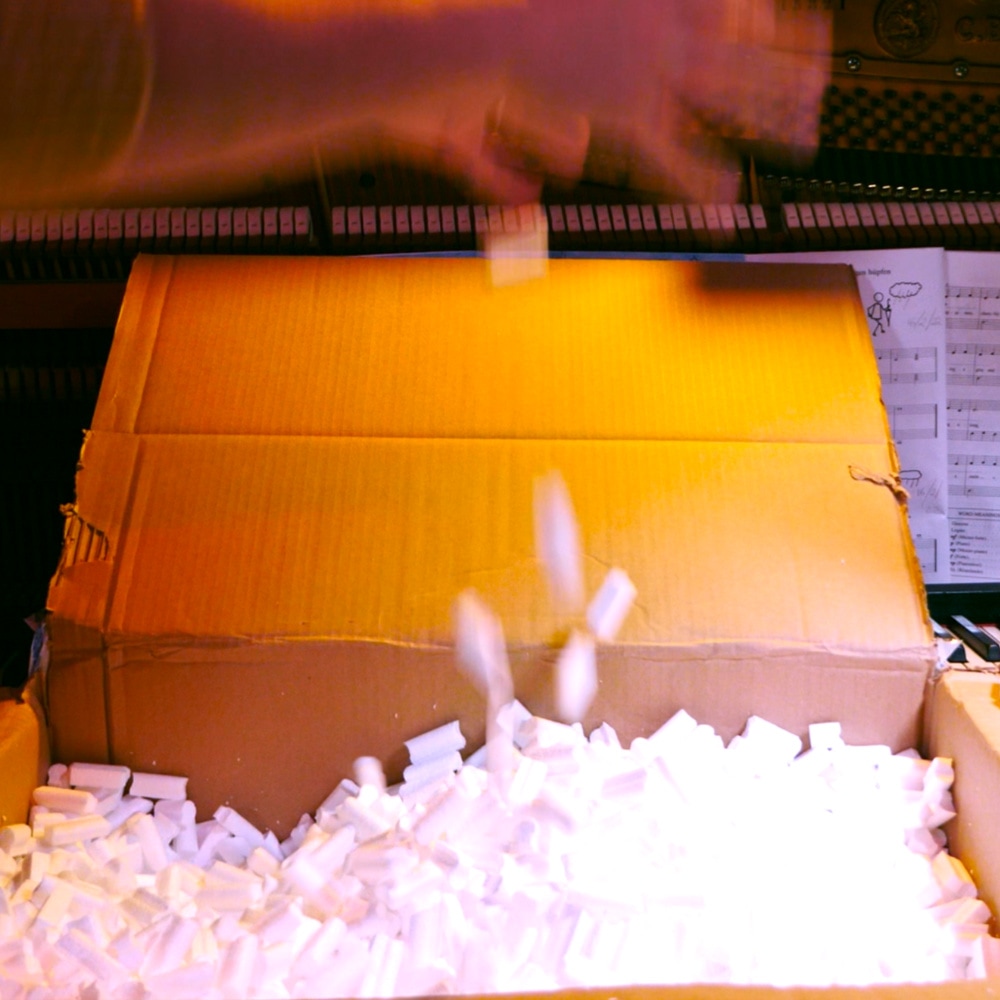
Styro Beach
“I had to cut up and re-cycle so many boxes in my life, it is time to have some fun! The styrofoam in this box had unique sparkly sounds I just had to capture, using a beautiful stereo ribbon mic setup. My studio was a mess after this, but it was worth it.”
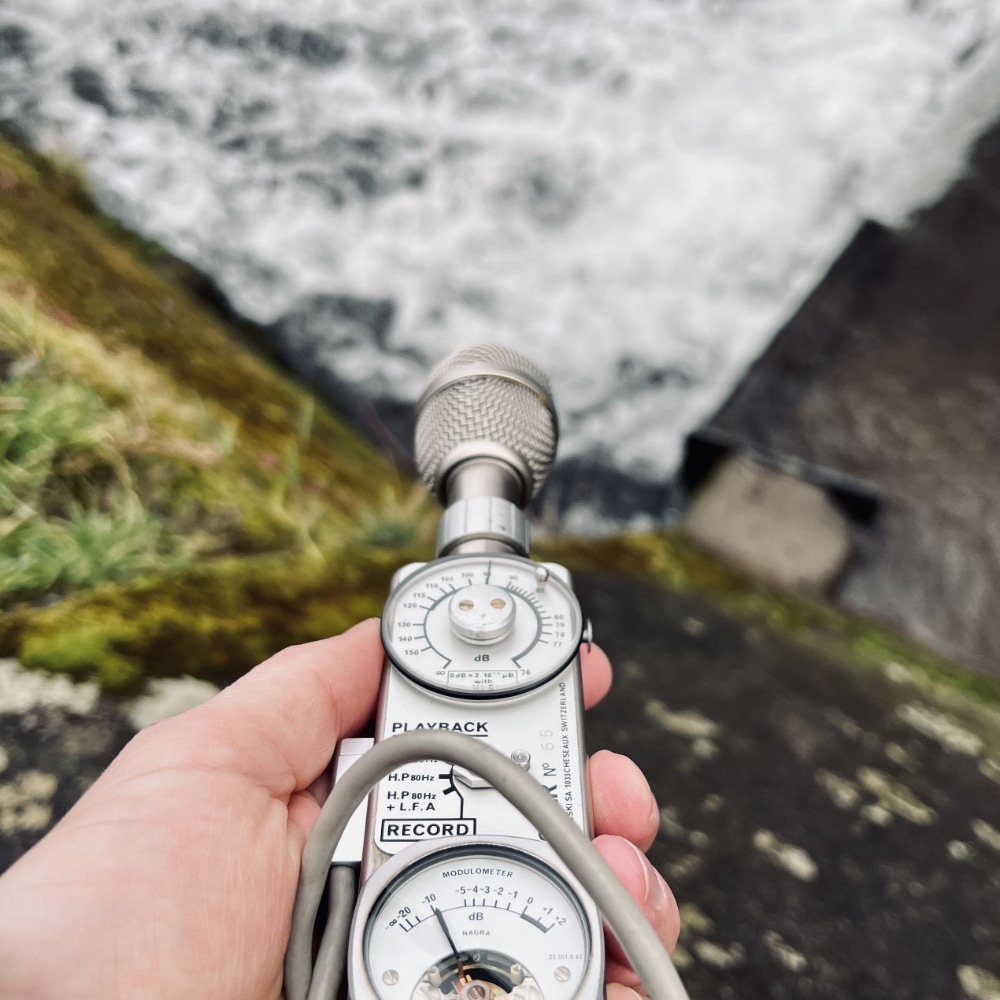
Tape Water
“I love field recording on tape. There is something more real than real about recording to reels. The sound is just more alive and 3D. For this bank, I recorded the rivers and rivulets of my old home in the Black Forest on a Nagra SN, as well as the coffee and soda makers at home in Berlin.”
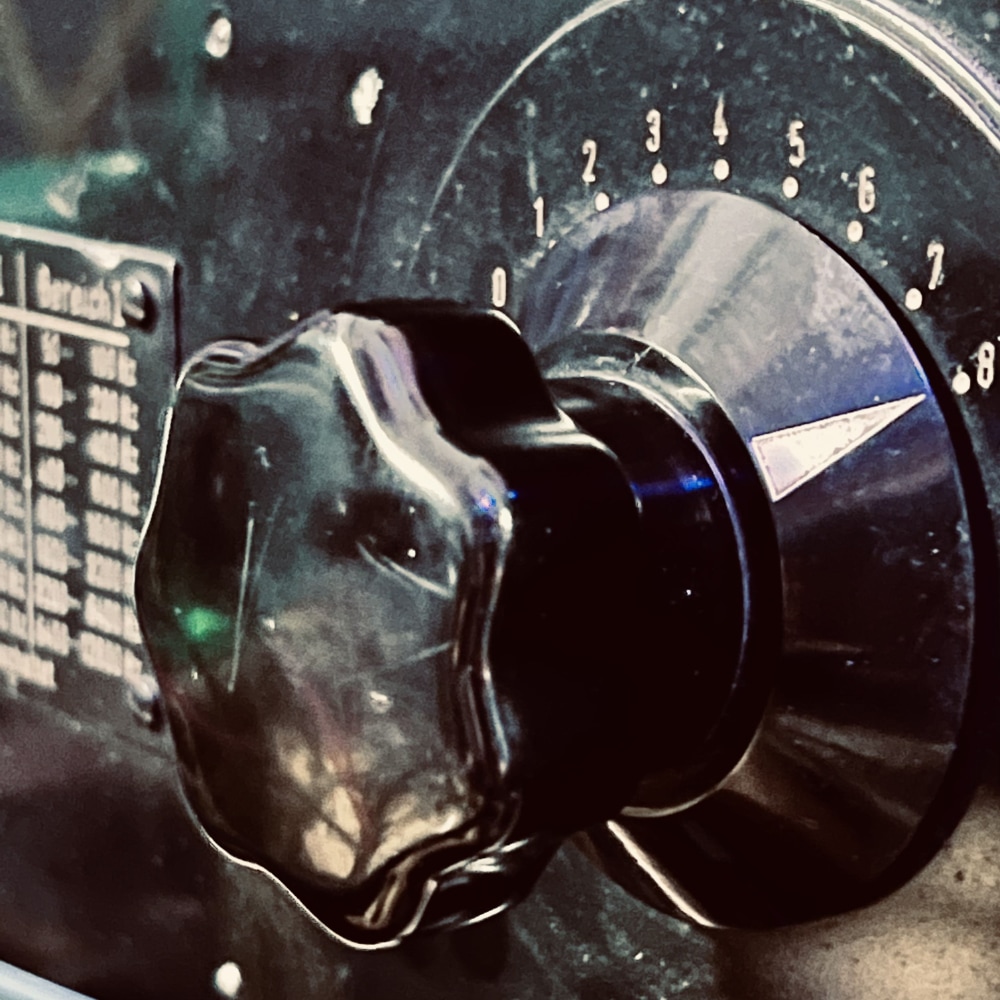
Heavy 8ths
Three German heavyweights in the ring with a noise generator. A prototype PBO, a Siemens Oktavsieb and UBM Mk1 process a Wavetek noise generator. I step through octaves for some beautiful tuned noise.
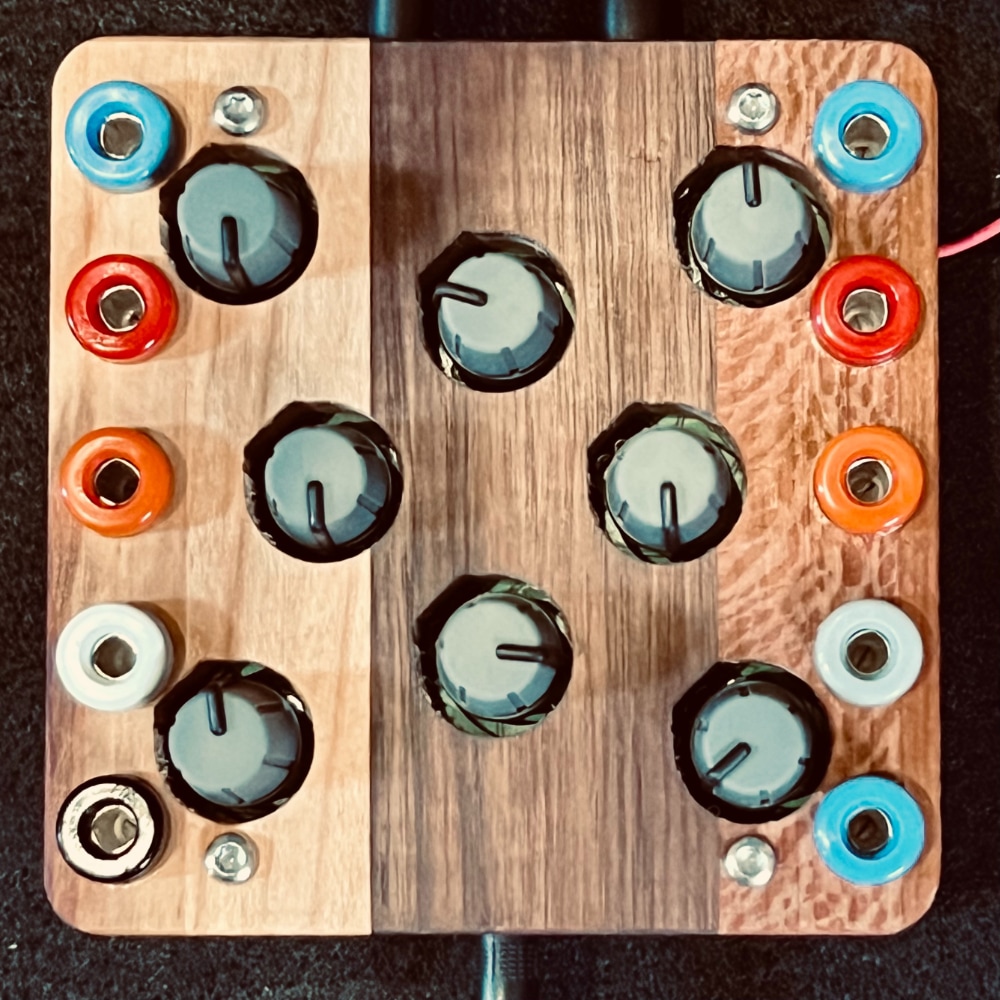
Benjolin
Rob Hordijk’s Benjolin is a chaotic instrument that give endless inspiration. Peter Blasser adapted it to his world, and its his take on Rob’s classic circuit you hear.
Studio B
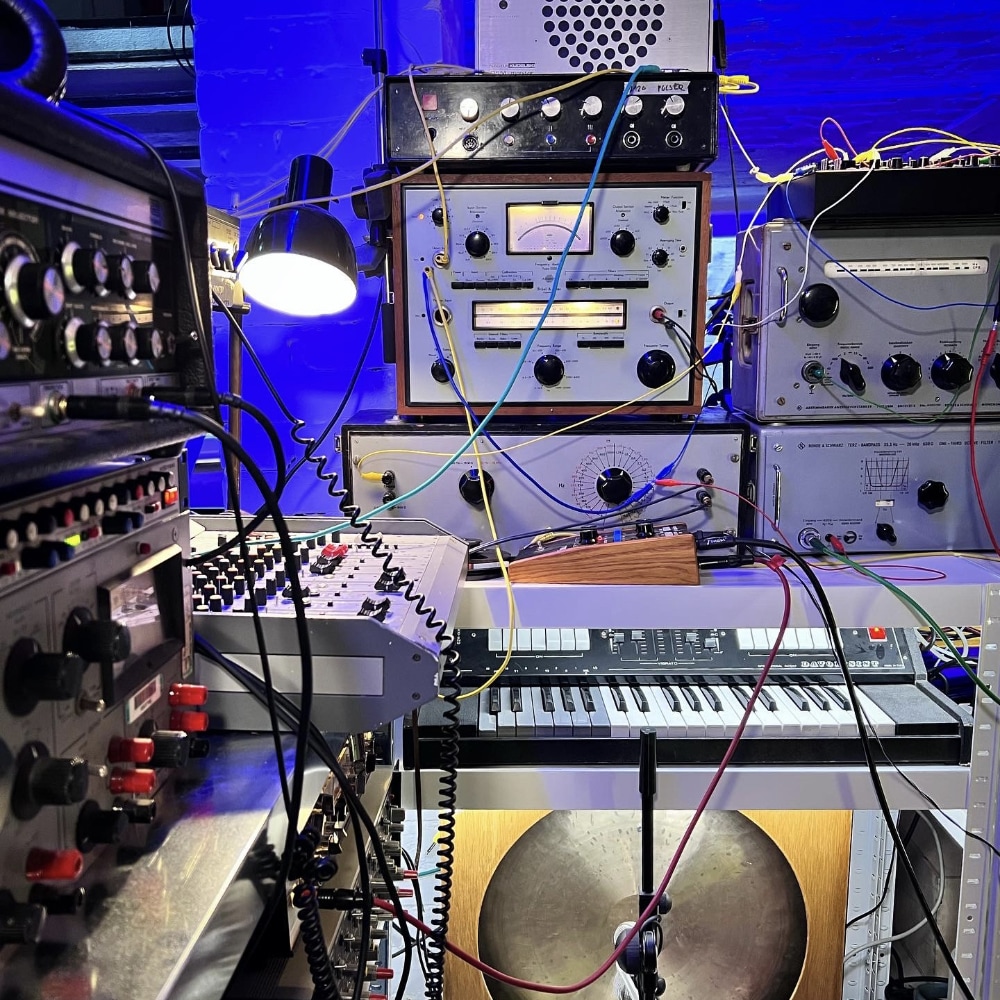
Hainbach’s Studio B is inspired by the WDR Studio and Radiophonic Workshop. This bank collects tape squeals, filter pings, and odd test equipment rhythms that breathe the air of a remarkable past, seen through modern eyes.
Coco
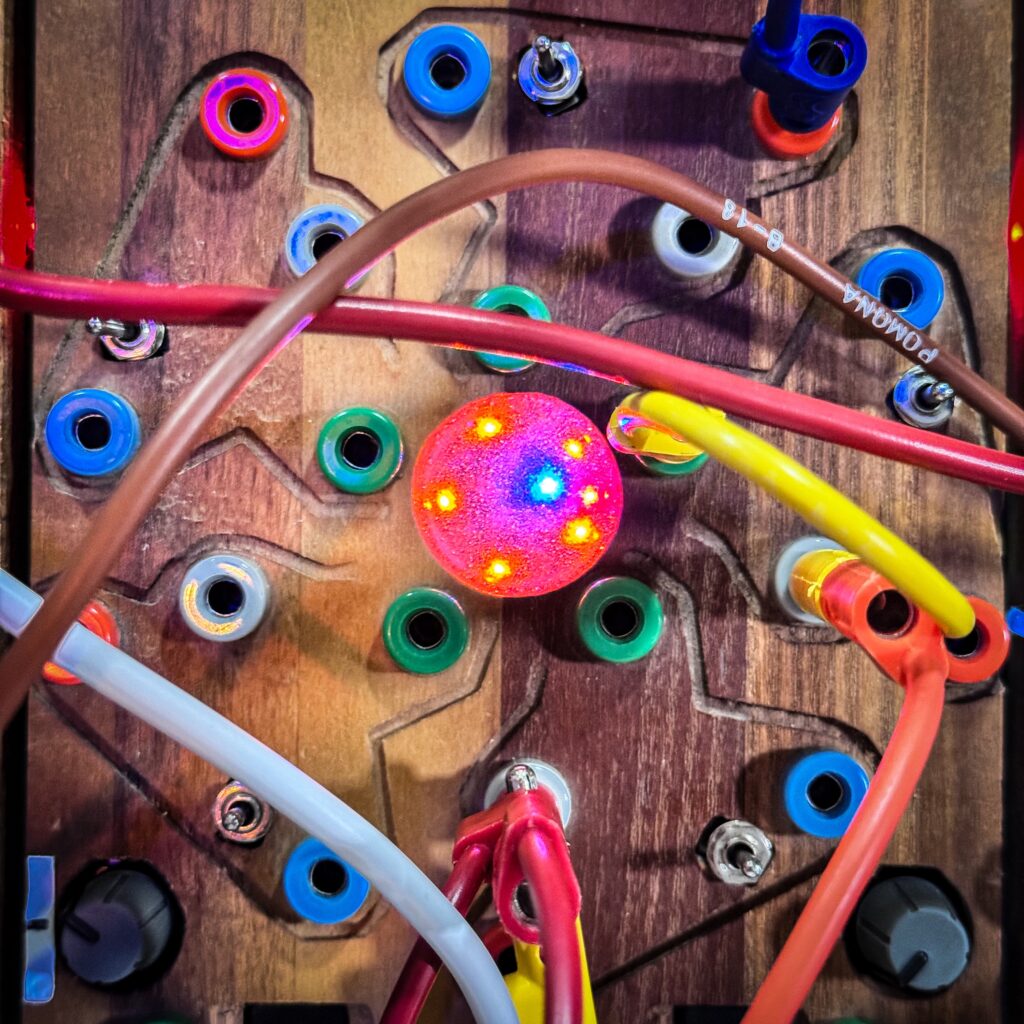
The Ciat-Lonbarde Cocoquantus is legend among experimental musicians. Its gritty 8-Bit loopers shine as sources of glitch and glitter. The analog oscillators modulate like water, and the clock signal puts many organs to shame. Don’t get me talking about the preamps, or the way it overdrives. This bank celebrates the dirty, glitchy side of it.
Tape Sines
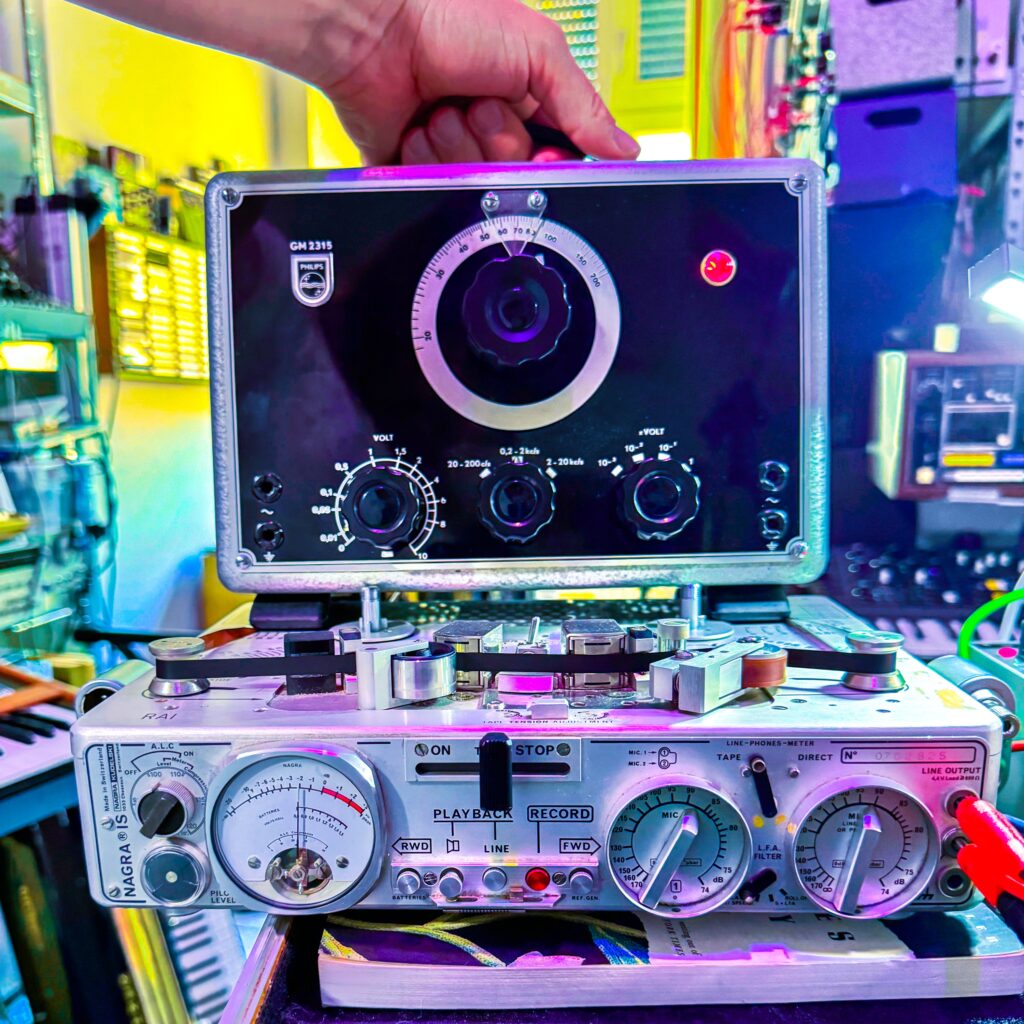
These are not your usual sines, these ooze character. Using a vintage vacuum tube sine generator by Phillips recorded through a crumpled tape loop on a Nagra, there is character here. Everything is unstable, clicky, but with a very hefty body. Notes are in ascending order: C, A, E, B, G, D, A, F
Acousmonium
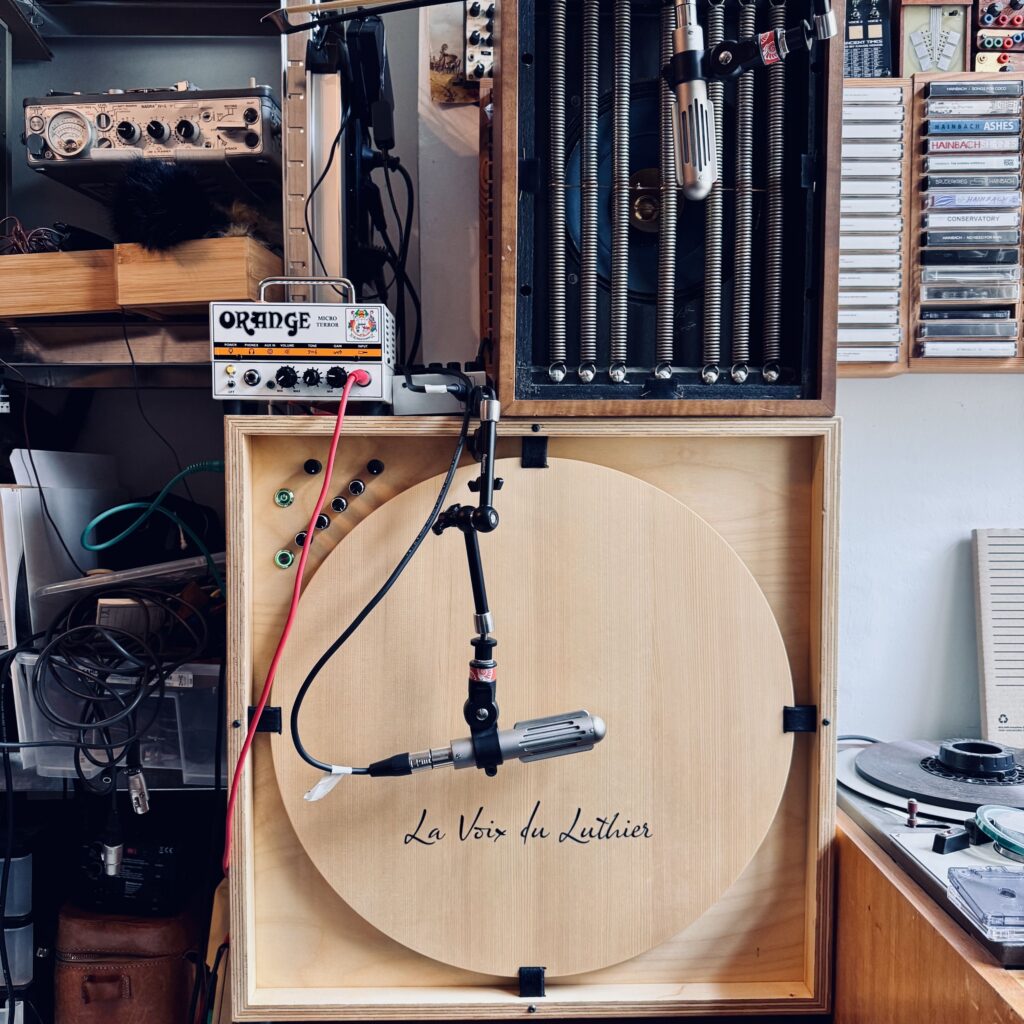
For this bank, Hainbach set up three French resonators in his studio: Gong, Wood and Springs. Each sounds utterly unique and like few things else out there. He then fed the Wave Analyzer filter bank into it, experimenting with feedback. Then everything was slowed down, which results in unreal electro-acoustic scapes.
Vintage Digital
Early digital effects sound incredibly crude to our pampered ears, yet there is a lot of sound hiding in them. This bank makes use of a specially modified early delay / pitch shifter. The instrument is feedbacked into itself, so you can hear the raw sound of early digital conversion and memory.
You can easily create your own banks to use in Noises.
Simply open the Banks Folder by clicking on the ☰ icon (top-right corner of the UI), then choose Global Settings, Banks Path, Open Banks Folder.
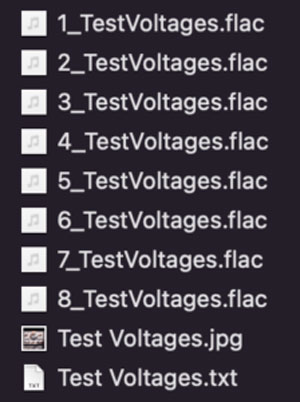
The file structure is simple, just put your samples in the folder. The plugin will only scan the first 8 samples in each folder and place them alphabetically.
Noises can load several audio format types: WAV, AIFF, FLAC, OGG.
Additionally, you can put a description text file (.txt) and an image (.jpg) with the same name as the bank folder. These will appear in the info box when clicking on the i button.
System Requirements
Windows 7, 8, 10, 11
OS X 10.13 – macOS 14
5.0/5.0
(Average of 4 reviews)
Sort By:
Windows 7 – 11
2GHz CPU, 4 GB RAM
VST2, VST3, AAX, CLAP (64-bit)
macOS 10.13 – macOS 26
2GHz CPU, 4 GB RAM
VST2, VST3, AU, AAX, CLAP (64-bit)
Universal 2 Binary
Ubuntu 20.04 LTS
2GHz CPU, 4 GB RAM
VST2, VST3, CLAP (64-bit)
V1.2.1
05/04/26
Added: 2 new Banks: “Coco” and “Tape Sines”
Added: Restart Sample on Trigger
Added: Shift + Click to solo samples
Added: Graphics Controls (Brightness and Contrast)
Added: macOS 14 Sonoma support
Improved: Banks detection and database update
Fixed: Trip to Filter working even when the effect is bypassed
Fixed: Inconsistency in some Sync values
V1.2.2
05/04/26
V1.3
05/04/26


