Sign in to Loot Audio
Access your downloads, purchases and more
Access your downloads, purchases and more

Pulse is a revolutionary new downloader offering blazing fast speeds and powerful control over your libraries. Loot Audio uses Pulse to power some of our downloads and to make managing your libraries more efficient for you.
After your purchase we will send you a unique code (you will also find the code in your account). Use the code with Pulse to power your download and installation. More information about Pulse can be found here.
What are Credits?
You earn Credits every time you purchase a product from Loot Audio. 3% of your order is added to your account in the form of Credits.
Use Credits for money off future orders or convert them to Sample Credits to download samples from the Sounds section of the site.
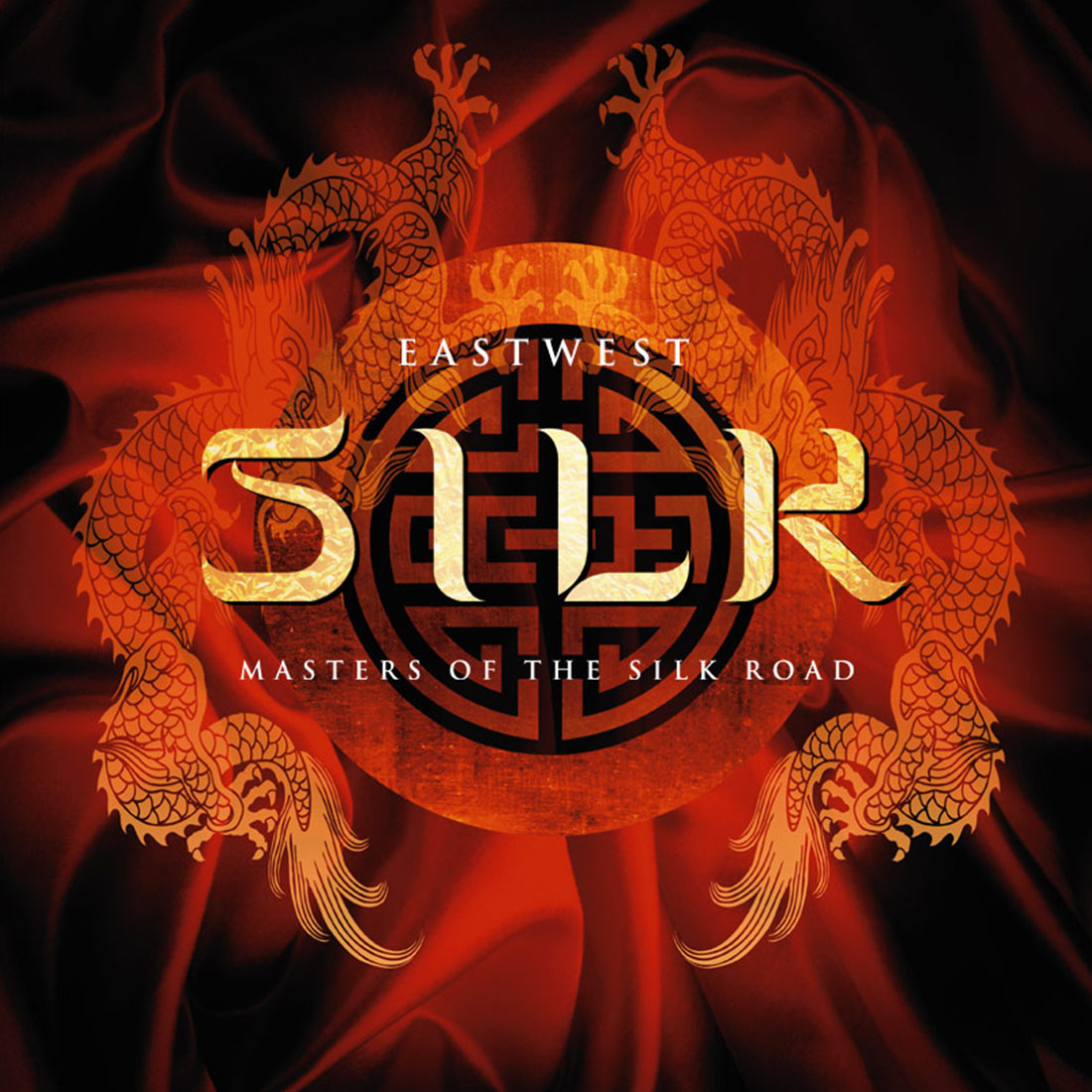
Ethnic Instruments from the East.
$59.00
$149.00
Earn 145







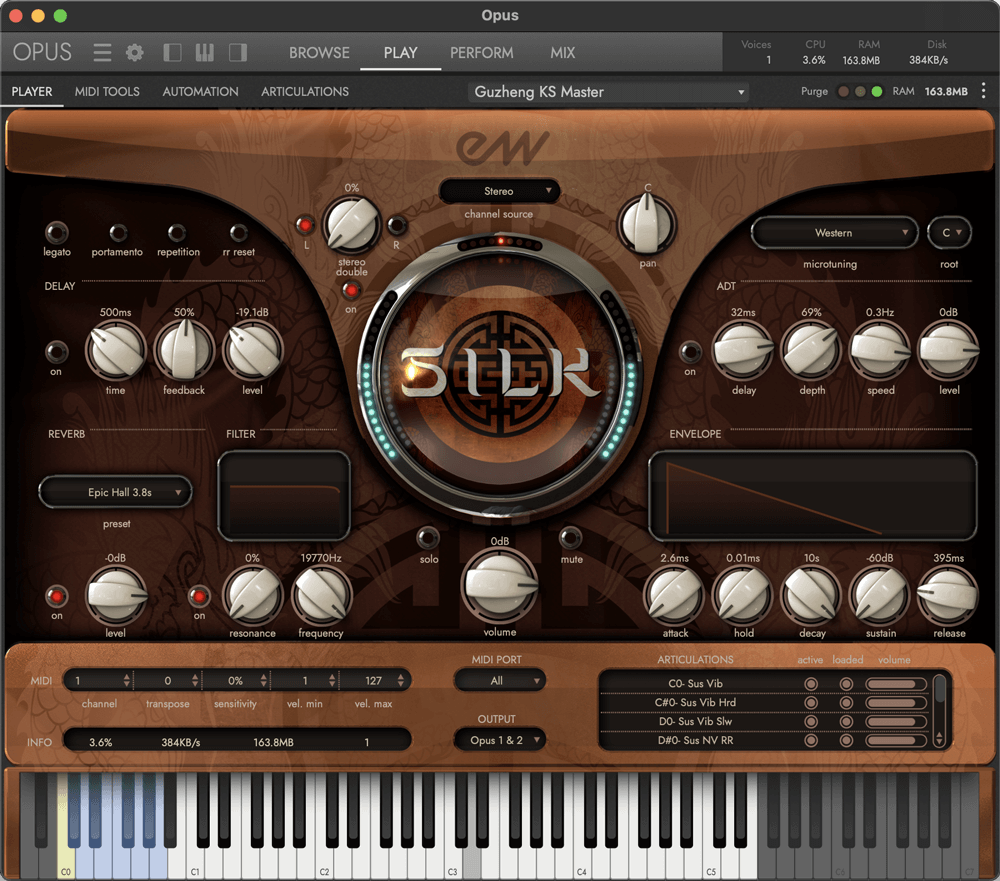
This collection of instruments enables you to create subtle changes to the musical scale, carefully tailored to each instrument. Not only does this make your mockups sound far more authentic, but as producer Nick Phoenix says, “Silk is revolutionary in that the microtuning and scales actually teach users how to employ these sounds in an authentic way." Because Silk includes multiple recordings for every single note, including individually captured legato transitions, you’ll be able to quickly create convincing performances with minimal CC automation. However, you can also automate subtle aspects of the performance such as portamento time. We made sure every instrument captures the most expressive performances possible from each musician. To further extend the amount of variation on each note, SILK uses a script which selects one or more of three randomly selected options to keep the sound a little different on each repetition:
The haunting lament of the erhu. The gentle raindrop-like plucks of the pipa. The playful call of the dizi. Within moments, you have an entire ensemble of Chinese instruments ready to be performed. As the most extensive section in Silk, these Chinese instruments allow you to weave a beautiful tapestry of the Far East into your music.
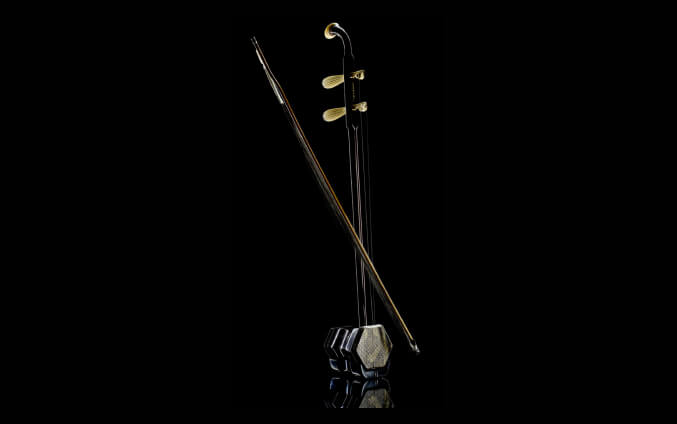
ERHU
The erhu is a two-stringed bowed musical instrument, sometimes known in the Western world as the Chinese violin. Dating back to the Tang Dynasty (618 – 907), it is the most popular of the huqin family of traditional browed instruments and is used as solo instrument as well as in small ensembles and large orchestras.
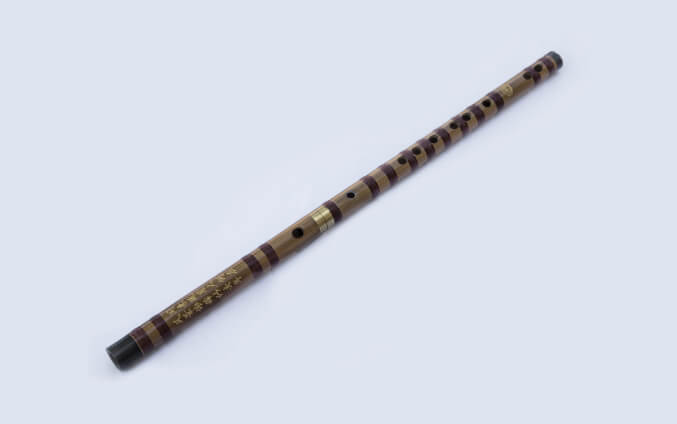
DIZI
The dizi is a Chinese transverse flute made of bamboo, widely used in many genres of folk music, as well as Chinese opera and the modern Chinese orchestra. Traditionally, the dizi has been popular among the common people of China, partly because it is simple to make and easy to carry. Includes large and small versions.
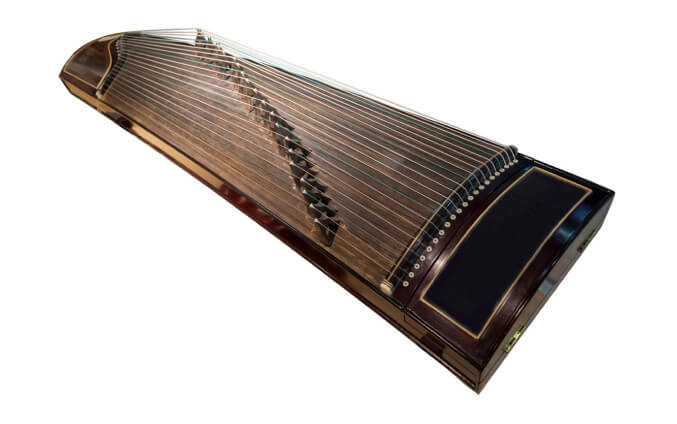
GUZHENG
The guzheng is a plucked string instrument that is part of the zither family. It is one of the most ancient Chinese musical instruments with a more than 2,500-year history and is considered one of the main chamber and solo instruments of Chinese traditional music.
JINGHU
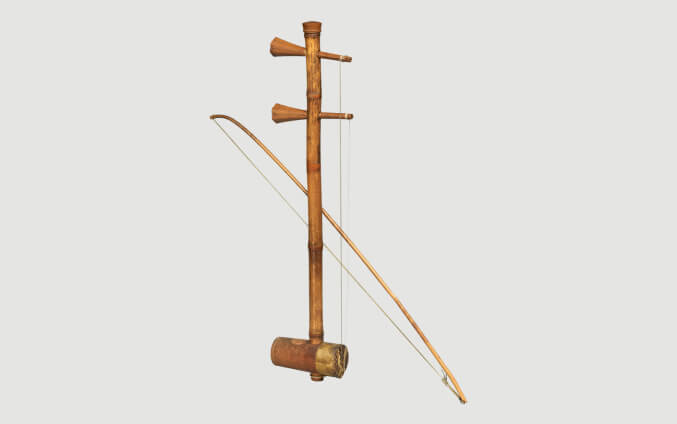
Principally used as an accompanying instrument for the Beijing opera, the jinghu is another important two-stringed fiddle in the huqin family. It was developed in the Qing dynasty (around 1790). The pitch of this instrument is the highest among all instruments in the huqin family.
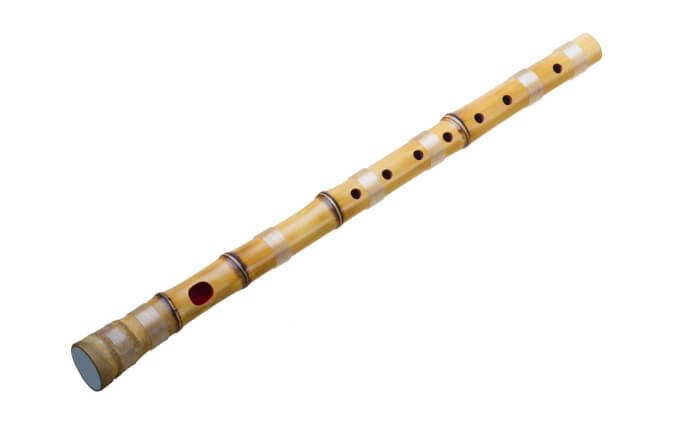
BAWU
Although shaped like a flute, the bawu is actually free single-reed wind instrument played horizontally. Originating from the Yunan province of southwest China, the Bawu has become a standard instrument throughout the country and is often featured in film scores and popular music recordings.
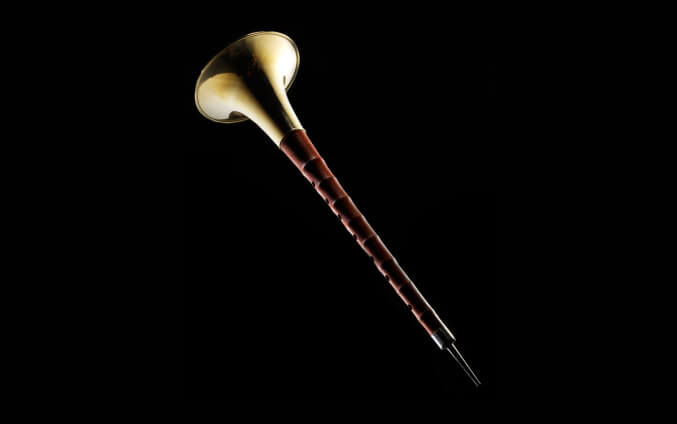
SUONA
The suona is a double-reeded horn with a conical wooden body, similar to that of the European oboe. It is an important instrument in the folk music of northern China, where it has long been used for outdoor festivals, military parades, wedding and funeral processions.
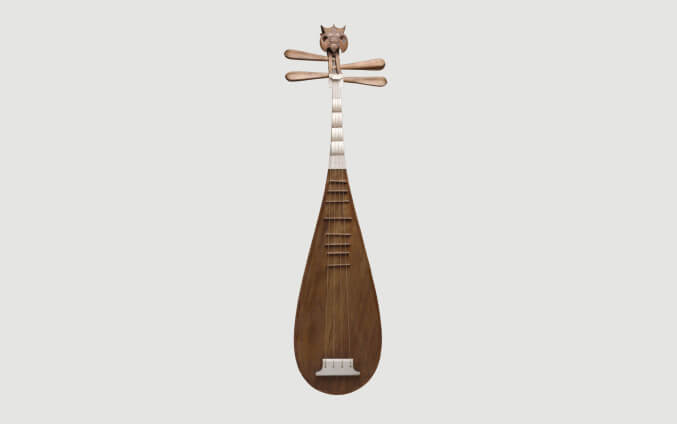
PIPA
Sometimes known as the Chinese lute, the pipa is a four-stringed plucked instrument with a pair-shaped body. It’s one of the most popular Chinese instruments and has been played for almost two thousand years, originating in the Han dynasty.
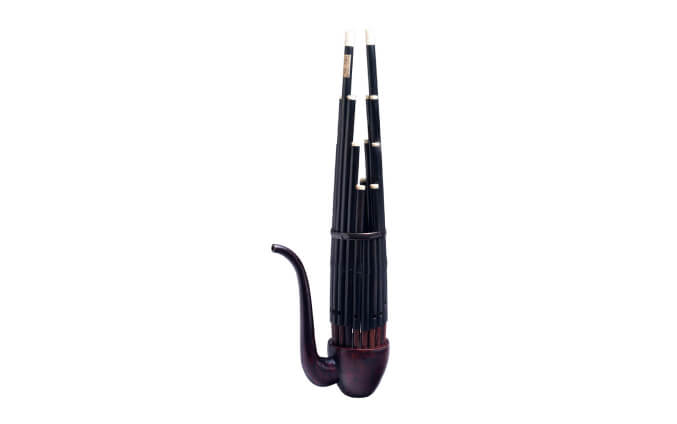
SHENG
The sheng is a mouth-blown free reed wind instrument consisting of vertical pipes, It is a polyphonic instrument, often used as a solo instrument or as an accompaniment for suona or dizi performances. Dating back to 1100 BCE, the sheng is one of oldest Chinese instruments.
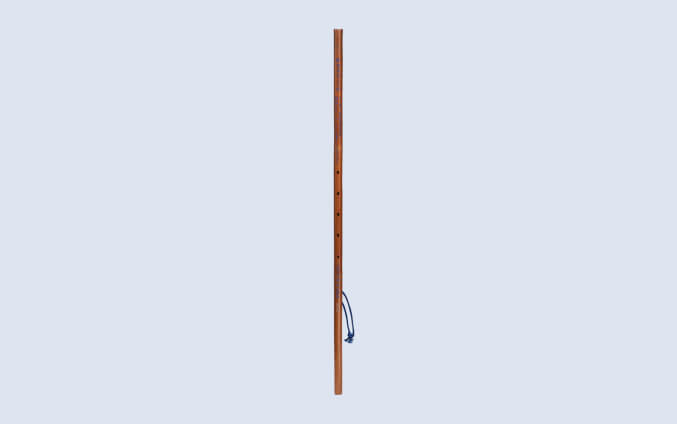
XIAO
The xiao is a Chinese vertical end-blown flute. It is generally made of dark brown bamboo. It is a very ancient instrument usually thought to have developed from a simple end- blown flute used by the Qiang people of Southwest China.
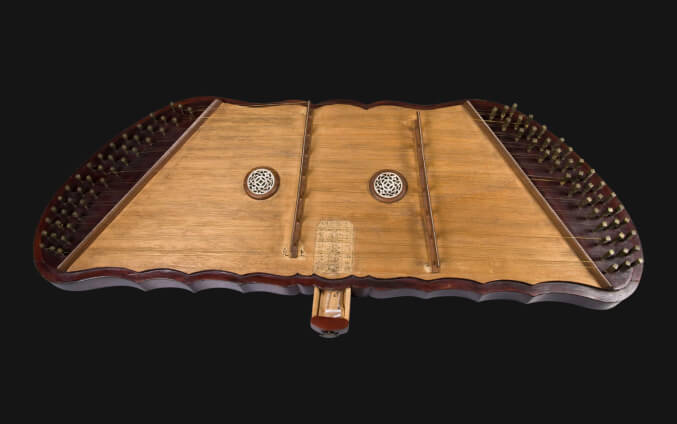
YANGQIN
The yangqin is a dulcimer played with bamboo mallets. It produces a high and tinkling timbre in its top registers, a soft, beautiful tone in the middle, and a strong, rich sound in the lower. It is a rather new instrument by Chinese standards, first arriving from the Middle East at the beginning of the Ming Dynasty (1368–1644).
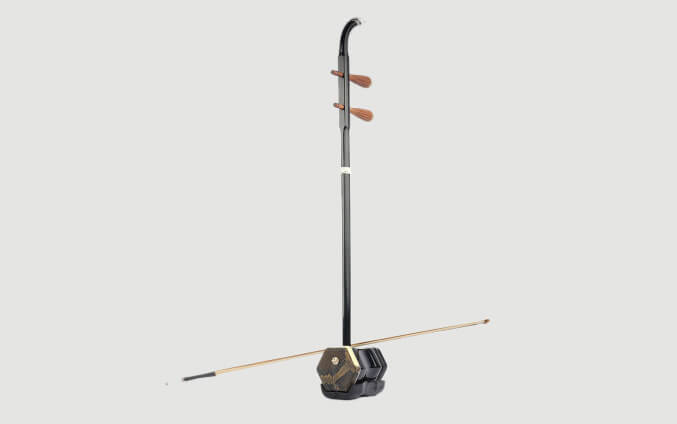
ZHONGHU
If we call the erhu the Chinese violin, the zhonghu is then the Chinese viola, where zhong means “middle.” It was developed from the erhu in the 1940s. Both the structure and performing skill of these two kinds of huqin are very similar, but the zhonghu has a deeper-sounding timbre.
From the unmistakable sound of the tanpura to the lyrical melodies of the dilruba, Silk allows you access a tremendous range of sounds from multiple iconic instruments of India. Whether you’re looking to create a raga or take advantage of Silk’s microtonal instruments, you have all the tools you need right here.
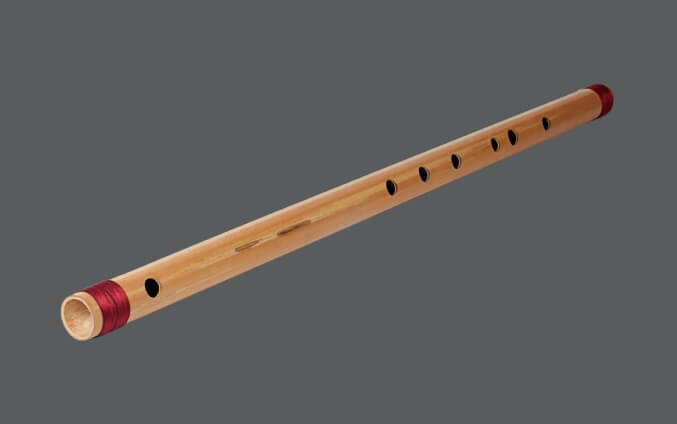
BANSURI
The bansuri is a common Indian flute with six or seven holes, typically made from bamboo or reed. It has been depicted in ancient Buddhist, Hindu, and Jain temples and is used in traditional folk music, although today it is found in Hindustani music and films.
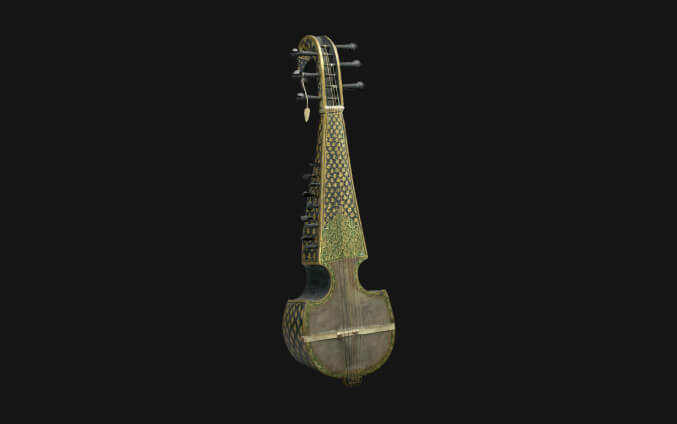
DILRUBA
The dilruba is bowed instrument, a cross between the sitar and sarangi. It is extremely close to the esraj and the mayuri vina. It was created over 300 years ago, although it was popularized in the west in the 1960 by acts like The Beatles in their psychedelic phrase.
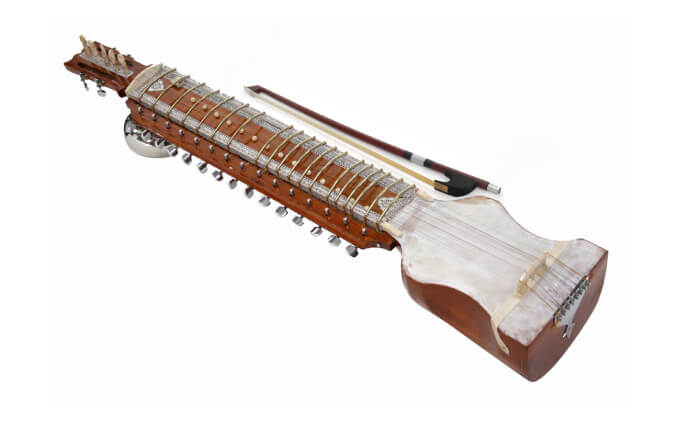
SAROD
The sarod is a stringed musical instrument, used mainly in Indian classical music. Along with the sitar, it’s the most popular and prominent instruments in Hindustani (north Indian) classical music. The sarod is known for a deep, weighty, introspective sound (in contrast to the sweet, rich texture of the sitar).
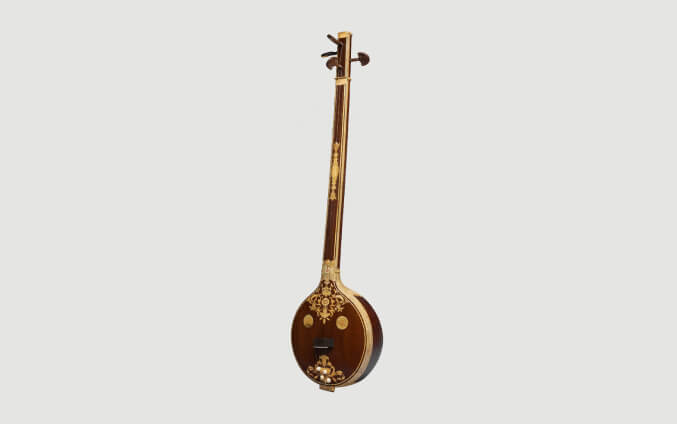
TANPURA
The tanpura is a drone instrument. It resembles a sitar except that it has no frets. The name “tanpura” is common in the north, but in south India it is called “tambura.” The tanpura is known for its very rich sound and is a favorite of Hindustani musicians.
Using Silk’s deeply sampled collection of ancient instruments from the Persian Empire, you can evoke the atmosphere of an ancient bazaar or even a sprawling desert with rolling sand dunes. Featuring such instruments as the duduk and qanun, the realism of these samples is unparalleled.
DUDUK
The duduk is a double-reed instrument with ancient origins, said to be from 1500 to 3000 years old. Armenian duduks are mainly made from aged apricot wood. In modern times, duduk music has been used in a number of films, such as 2000’s Academy Award Best Picture winner Gladiator.
ELECTRIC CELLO
The electric cello is a type of cello that relies on electronic amplification to produce sound. Many electric cellos have bodies modeled after acoustic cellos, while others abandon the design completely, opting for a totally new body shape. It’s popular in modern day Middle Eastern music.
KEMENCHE
A kemenche is a bottle-shaped, 3-stringed type of from the Black Sea region of Asia Minor. In Greece and the Pontian Greek diaspora, it is known as “kementzes” and in the last few decades as “lyra.”
NAY FLUTE
The nay is an end-blown flute that figures prominently in Persian, Turkish and Arabic music. In some of these musical traditions, it is the only wind instrument used. It is a very ancient instrument, with depictions of nay players appearing in wall paintings in the Egyptian pyramids.
QANUN
The qanun is a string, zither instrument played either solo or as part of an ensemble, in much of the Middle East. It is thought to trace its origins to Ancient Greece, or even to the earlier Minoan or Mycenaean times between 3000 and 1600 BCE.
30 PIECE STRING SECTION
European strings were first introduced to the Middle East during Napoleon’s failed attempt at capturing Egypt in 1798. Featuring a different tuning style, characteristic performance techniques are very decorative with melismas, slurs and slides, trills, wider vibrato, and double stops.
TAR
The tar is a long-necked instrument with a pronounced waist. The word “tar” itself means “string” in Farsi. One of the most important instrument in Persian classical music, it has also been adapted into the cultures of Azerbaijan, Armenia, Georgia, and the Caucasus.
Below are the minimum and recommended hardware and software specifications for using Opus on Windows and MacOS systems.
MINIMUM SYSTEM
CPU: Quad-core (four cores), running at 2.7 GHz (or above)
RAM: 16 GB
OS: macOS 10.13 (or later); Windows 10 with ASIO sound drivers
Drive: HDD (7200 rpm, non-energy saving)
RECOMMENDED SYSTEM
CPU: Octa-core (eight cores), running at 2.7 GHz (or above)
RAM: 32 GB or more
OS: macOS 10.13 (or later); Windows 10 with ASIO sound drivers
Drive: SSD (SATA or PCIe)
iLok for licence protection